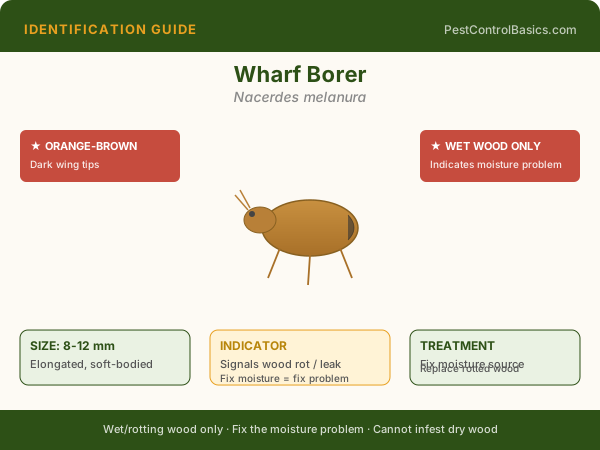
Illustrated identification guide — PestControlBasics.com
🔍 Identification
Adults: 10-15mm; orange-yellow with dark wing tips; resemble fireflies or soldier beetles; strong fliers. Larvae: up to 40mm; cream-colored; found in wet, submerged, or water-saturated wood. Exit holes: 8-10mm oval holes in wet timber. Found at docks, piers, boat houses, waterfront pilings, and any wood in contact with water or wet soil.
🧬 Biology & Behavior
Unlike most wood-boring beetles that require dry wood, wharf borer larvae specifically require wet or water-saturated wood with high moisture content. They're most destructive in intertidal and sub-tidal zones. Adults emerge May-August and are attracted to lights near water. A single log or piling can host hundreds of larvae simultaneously.
⚠️ Damage & Health Risk
Structural failure of docks, piers, pilings, and waterfront foundations; catastrophic collapse risk in heavily infested structures; significant economic losses to marine infrastructure.
🔧 DIY Treatment
Remove and replace severely infested wood. Pressure-treat replacement timber with appropriate marine-grade preservatives. For accessible wood above the water line: borate pressure treatment. Reduce moisture contact where structurally possible.
👷 When to Call a Pro
Marine engineering assessment for structural piers. Pressure treatment with creosote or copper-based preservatives for replacement timber.