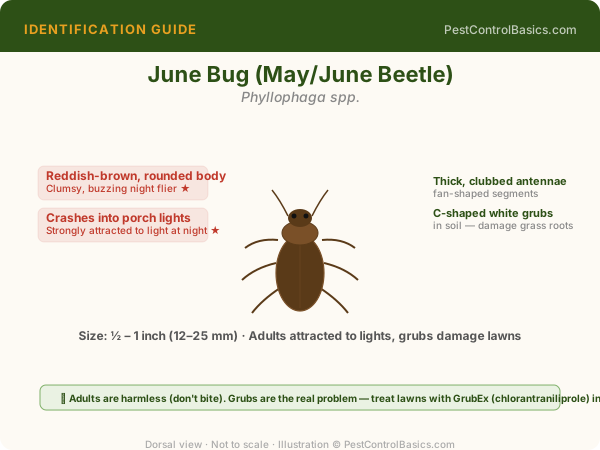
Original illustration by PestControlBasics.com. Use the labeled features above to confirm your identification.
🔍 Identification
All white grubs: C-shaped; cream/white; brown head capsule; 6 legs; found 1-4 inches deep in soil. SIZE varies by species and instar:
Japanese beetle: 25mm at maturity. May/June beetles: 30-40mm — the largest. Masked chafer: 25-30mm. Annual white grub (Southern masked chafer): 25mm. Black turfgrass ataenius: tiny (10mm) — requires magnification.
The raster pattern (arrangement of hairs on the underside of the last abdominal segment) is the definitive species ID.
🧬 Biology & Behavior
All grubs feed on grass roots. Different species have different timing: Japanese beetle grubs are abundant July-September. May/June beetle grubs take 2-3 years to develop. Masked chafer grubs similar to JB timing. Black turfgrass ataenius: two generations per year in North. Species identity determines treatment timing and product effectiveness window.
⚠️ Damage & Health Risk
Irregular dead patches that peel from soil; bird/skunk foraging for grubs; bounce-board test (stand on a board — if you can easily roll it over turf, roots are gone); pulling turf reveals C-shaped grubs underneath.
🔧 DIY Treatment
Apply chlorantraniliprole (Acelepryn, Grub-X Prevent) in late June-July for best results on most species. Curative treatment: imidacloprid or clothianidin in August-September for active grubs near surface. Milky spore for Japanese beetle specifically (2-3 years to establish).
👷 When to Call a Pro
Large-scale lawn programs benefit from professional grub species ID from extension services to optimize treatment timing and product selection.