πŸ› Silverleaf Whitefly vs Greenhouse Whitefly

Bemisia tabaci / Trialeurodes vaporariorum Β· Hemiptera: Aleyrodidae

Greenhouse whitefly and silverleaf whitefly are both small white flying insects on plant undersides β€” but silverleaf whitefly is far more pesticide-resistant and causes additional plant physiological disorders.

WhiteflyBemisiaGreenhouseResistanceAleyrodidaeIdentification Matters
πŸ›
Risk Level
Greenhouse / Garden Pest
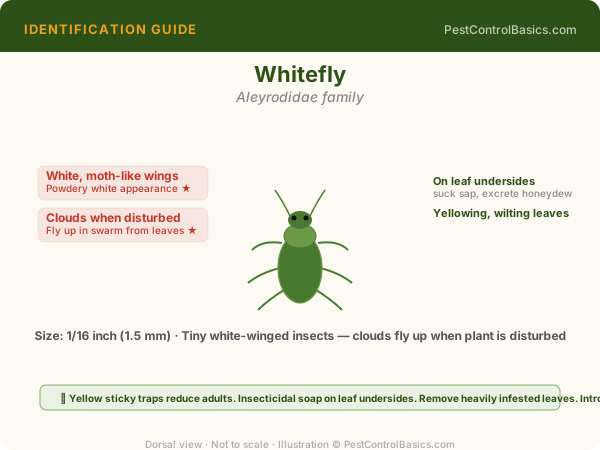
πŸ“ FIELD GUIDE ILLUSTRATION
Whitefly (Aleyrodidae) identification illustration with labeled anatomical features β€” PestControlBasics.com

Original illustration by PestControlBasics.com. Use anatomical labels above to confirm your identification.
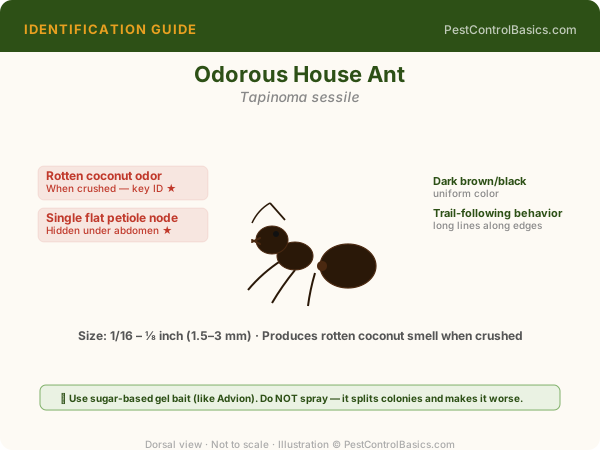
πŸ“ FIELD GUIDE ILLUSTRATION
Odorous House Ant (Tapinoma sessile) identification illustration with labeled anatomical features β€” PestControlBasics.com

Original illustration by PestControlBasics.com. Use anatomical labels above to confirm your identification.
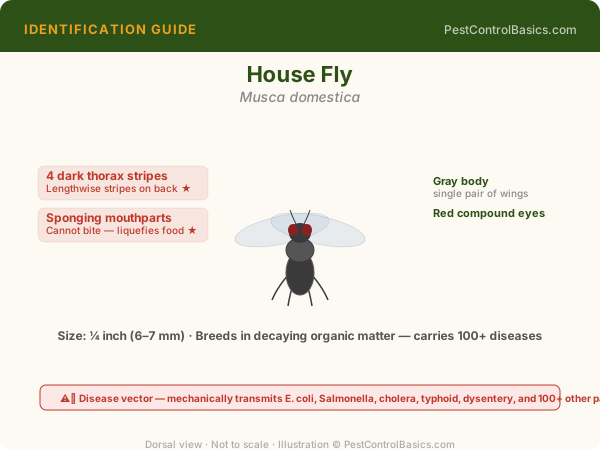
πŸ“ FIELD GUIDE ILLUSTRATION
House Fly (Musca domestica) identification illustration with labeled anatomical features β€” PestControlBasics.com

Original illustration by PestControlBasics.com. Use anatomical labels above to confirm your identification.

πŸ”¬
PestControlBasics Editorial Team
Reviewed by Derek Giordano Β· Updated 2026

πŸ” Identification

Greenhouse whitefly (Trialeurodes vaporariorum): wings held flat and parallel to leaf surface when at rest; nymphs have waxy marginal fringe; more susceptible to many insecticides. Silverleaf whitefly / Bemisia (Bemisia tabaci): wings held tent-like at an angle when at rest; nymphs lack waxy fringe; causes additional disorders beyond feeding damage (squash silverleaf disorder, irregular ripening in tomato). More pesticide-resistant β€” has developed resistance to neonicotinoids, pyrethroids, and organophosphates in commercial populations.

🧬 Biology & Behavior

Both species cause similar feeding damage but Bemisia has dramatically higher pesticide resistance across all chemical classes. In commercial production, Bemisia requires rotation of insecticide modes of action every 1-2 generations to prevent resistance development. Identification matters because treatment protocols differ significantly.

⚠️ Damage & Health Risk

Feeding damage causing yellowing; honeydew production leading to sooty mold; virus transmission (Bemisia transmits 100+ plant viruses β€” far more than greenhouse whitefly); physiological disorders in squash and tomato (Bemisia only).

πŸ”§ DIY Treatment

Yellow sticky traps for monitoring; insecticidal soap for greenhouse whitefly; for Bemisia: rotate between spirotetramat (Kontos), azadirachtin (Azamax), pyrifluquinazon (Rycar), and insecticidal soap β€” never rely on one chemistry. Biological control: Encarsia formosa parasitoid wasp highly effective for greenhouse whitefly.

πŸ‘· When to Call a Pro

Commercial greenhouse programs use rigorous resistance management rotation protocols with Bemisia β€” consult University Extension or certified CCA for current resistance management guidelines for your region.

❓ FAQ

How do I tell silverleaf from greenhouse whitefly?
Wing position at rest is the most reliable field ID: greenhouse whitefly wings lie flat and parallel to the leaf; silverleaf whitefly wings are held at an angle forming a tent shape over the body. Use a hand lens β€” this characteristic is visible with 10x magnification. The distinction matters significantly for commercial treatments.
Is Bemisia resistant to neonicotinoids?
Yes β€” many Bemisia populations have developed significant resistance to imidacloprid, thiamethoxam, and other neonicotinoids, particularly in areas with intensive use. This is one of the most commercially significant pesticide resistance situations in US horticulture. Rotate to spirotetramat, azadirachtin, or pyrifluquinazon before returning to neonicotinoids.
πŸ“š Sources: EPA Safe Pest Control Β· NPMA Pest Guide
Published: Jan 1, 2025 Β· Updated: Apr 7, 2026

πŸ—ΊοΈ US Distribution β€” Silverleaf Whitefly vs Greenhouse Whitefly

image/svg+xml
Common Occasional Not Present
States Present
49
Occasional
2
Primary Region
Continental US
πŸ“Š Source: University extension services, USDA, CDC vector data, and published entomological surveys.