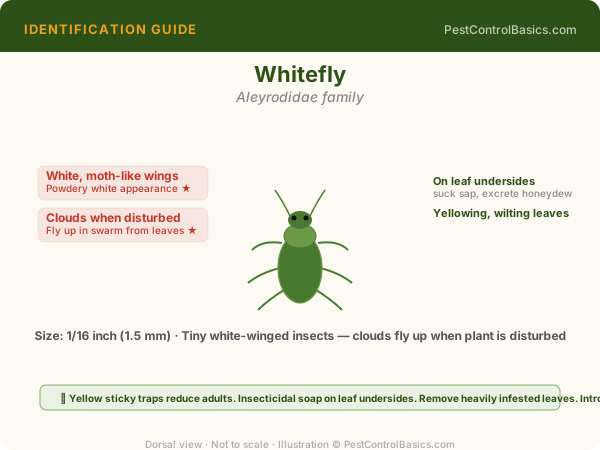
Original illustration by PestControlBasics.com. Use anatomical labels above to confirm your identification.
🔍 Identification
Adults: 1-2mm; white powdery wings; triangular when at rest; cloud up from infested plants when disturbed. Found in dense colonies on leaf undersides.
Greenhouse whitefly (T. vaporariorum): Oval nymphs; rounds; common in temperate regions.
Silverleaf/Sweetpotato whitefly (Bemisia tabaci): More oval/pointed nymphs; more angled resting position; transmitted 100+ plant viruses including tomato yellow leaf curl, squash silverleaf, and cassava mosaic disease worldwide.
🧬 Biology & Behavior
All life stages (egg, 4 nymphal instars, adult) occur simultaneously on plants. Life cycle: 3-4 weeks at room temperature; 2 weeks in summer heat. Resistance develops rapidly — Bemisia biotype B has documented resistance to all major insecticide classes after repeated exposure.
⚠️ Damage & Health Risk
Direct plant damage from sap removal; honeydew and sooty mold; virus transmission (Bemisia is arguably the most economically important agricultural virus vector globally); reduced ornamental quality.
🔧 DIY Treatment
Biological control (Encarsia formosa parasitoid, Eretmocerus mundus): most sustainable approach for greenhouses — commercially available. Yellow sticky traps for monitoring + adults. Insecticidal soap and neem oil (contact only; must hit nymphs). Spirotetramat (Kontos) — systemic; excellent nymph control. Rotate all insecticides — resistance develops within 3-5 generations.
👷 When to Call a Pro
Commercial greenhouse operations should work with an integrated pest management advisor to design rotation programs that maintain effective tools long-term.