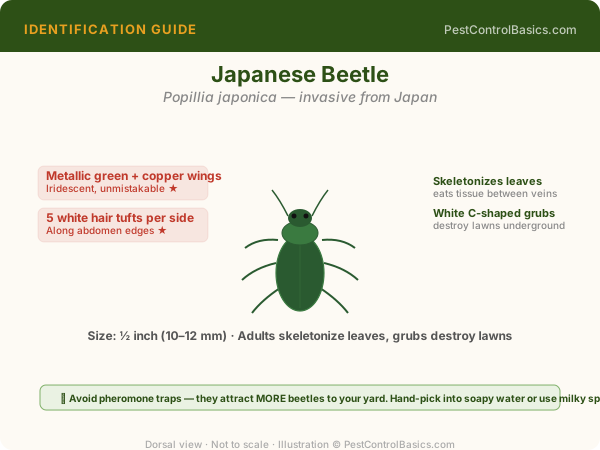
Original illustration by PestControlBasics.com. Use anatomical labels above to confirm your identification.
🔍 Identification
Wireworm (larval stage): 15-30mm; cylindrical; hard yellow to brown shiny body; segmented — resembles a yellow-brown wire; 3 pairs of short legs; pointed tail segment. Found 2-6 inches deep in soil. Click Beetle (adult): Elongated; brown/black; snaps loudly and flips itself when turned upside down — the 'click' is from a spine mechanism.
🧬 Biology & Behavior
Click beetle females lay eggs in soil with high organic content in spring. Larvae (wireworms) develop slowly — 2-6 years total larval development in soil. Wireworms follow moisture and temperature gradients, moving up when soil is warm and moist, down when dry or cold. They bore into seeds and root crops, causing tunneling damage.
⚠️ Damage & Health Risk
Seed tunneling reducing germination; irregular stand establishment in corn; tunneling in potato tubers creating unmarketable damage; carrot and other root vegetable damage; complete planting failure in heavily infested soil.
🔧 DIY Treatment
Soil bait monitoring: place potato chunks at 6-inch depth, mark with a flag, check after 2 days — wireworm numbers give an infestation estimate. For high-value plantings: Capture (bifenthrin) or Thimet (phorate) soil incorporation at planting. Crop rotation out of corn and cereals. Fall tillage exposes wireworms to birds and freezing.
👷 When to Call a Pro
Commercial corn and potato operations use economic threshold data from soil bait monitoring to make planting-time insecticide decisions.