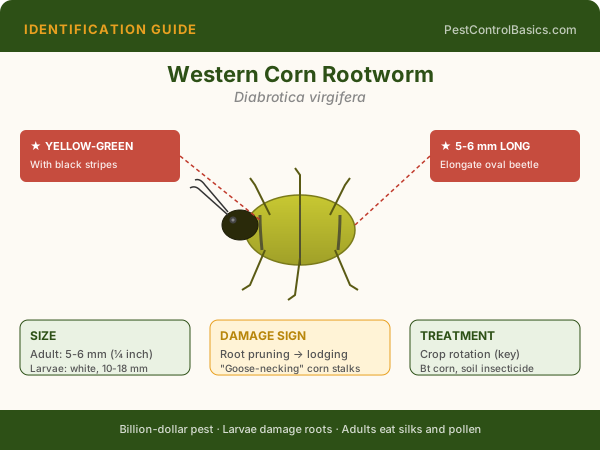
Illustrated identification guide — PestControlBasics.com
🔍 Identification
Adults (identical to spotted cucumber beetle): 6mm; yellow-green with black spots or stripes. Larvae: white, legless-looking grubs at corn root tips — found by digging near struggling corn plants. Damage: 'goosenecking' (lodged corn plants bent at base); white grub damage at root tips; adult beetles on corn silks disrupting pollination. Adults also damage cucumbers, squash, and garden vegetables.
🧬 Biology & Behavior
Corn rootworm has evolved resistance to: crop rotation (behavioral adaptation — lays eggs in soybean fields), organochlorines, organophosphates, some Bt proteins, and pyrethroid soil insecticides in some populations. The western corn rootworm's rotation resistance variant is one of the fastest documented evolutionary responses to a management practice in agricultural history. Adult beetles of the western/northern corn rootworm are the same species as the spotted/striped cucumber beetles that damage garden vegetables.
⚠️ Damage & Health Risk
Root destruction causing lodging and yield loss; adult silk feeding disrupting pollination; over $1B annual US losses; resistance to most management tools.
🔧 DIY Treatment
Home garden sweet corn: rotate corn location annually; pyrethrin or spinosad for adult beetles on silks; beneficial nematodes as soil treatment. Commercial: consult extension for current Bt trait resistance status in your area before selecting corn hybrid.
👷 When to Call a Pro
Commercial corn: licensed CCA/PCA guidance on pyramided Bt traits, soil insecticide rotation, and resistance monitoring programs.