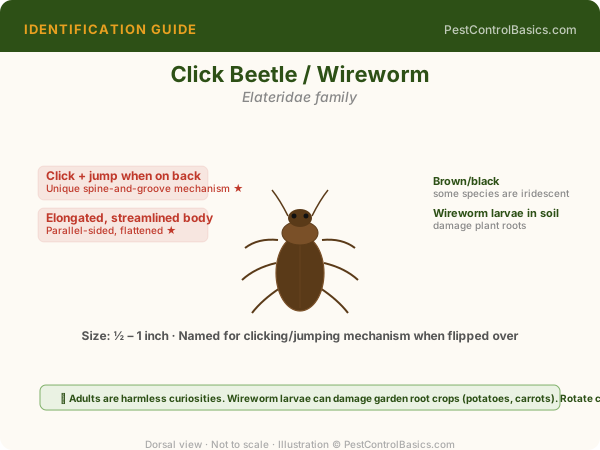
Original illustration by PestControlBasics.com. Use the labeled features above to confirm your identification.
🔍 Identification
Larvae (wireworms): 15-35mm; yellow-orange; hard-bodied; smooth; cylindrical; 3 pairs of tiny legs near head. Adult (click beetle): 10-20mm; brown; clicks and flips when disturbed (the click is the diagnostic adult behavior). Damage: tunnels through potato tubers (irregular tunnels through flesh); holes in carrot roots; seeds consumed before germination; plant lodging from root damage.
🧬 Biology & Behavior
Wireworms have a 2-6 year larval period — significantly longer than most soil insects. Former grassland and sod fields have the highest wireworm densities (historical sod-based agriculture creates populations that persist in converted land for years). Soil flooding or late-season high soil moisture increases wireworm movement to upper soil levels where they cause the most damage.
⚠️ Damage & Health Risk
Potato tuber damage (the most economically important); carrot and beet root tunneling; seed damage causing poor stand establishment; difficult to manage because of the long larval period.
🔧 DIY Treatment
Soil sampling before planting to assess population density. Bifenthrin or chlorpyrifos at-plant soil incorporation (follow label for food crops). Spinosad soil drench has limited efficacy against wireworms. Avoid planting susceptible crops in recently converted sod for 2+ years.
👷 When to Call a Pro
Commercial potato production requires soil insecticide at planting in high-wireworm-risk fields. Phorate and chlorpyrifos are standard commercial treatments — restricted use, licensed applicator.