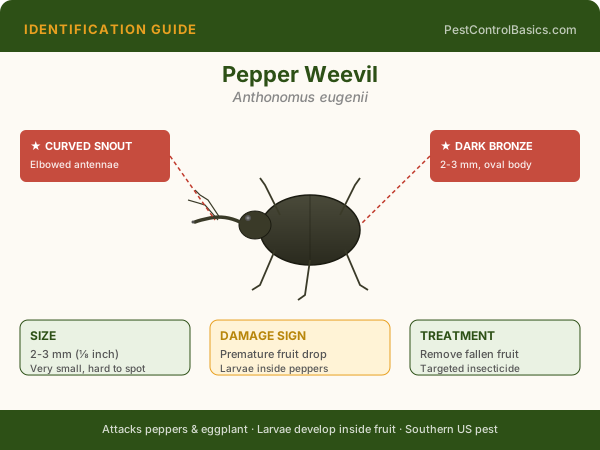
Illustrated identification guide — PestControlBasics.com
🔍 Identification
Adults: 2-3mm; reddish-brown to black; curved snout; found on pepper fruits and flowers. Larvae: 4-5mm; white grub inside pepper fruit. The sign: small, young peppers dropping prematurely from the plant — when you cut a dropped pepper open, you find a developing larva and small feeding hole at the placenta.
🧬 Biology & Behavior
Adults feed on buds and small fruit. Females bore into developing fruit and lay eggs — larvae feed inside and pupate within the fruit. Infested fruit drops before ripening. Found primarily in the Gulf Coast, Florida, California, and spreading. Multiple generations per year; overwinters as adult in debris.
⚠️ Damage & Health Risk
Premature fruit drop (young peppers falling off); reduced yields; no external sign of infestation until fruit drops; larvae inside dropped fruit continue development even after fruit drop.
🔧 DIY Treatment
Remove all dropped fruit immediately (larvae inside can still complete development and emerge as adults). Apply malathion or permethrin spray to flower buds — this is when adults are laying eggs. Use yellow sticky traps for adult monitoring.
👷 When to Call a Pro
Commercial pepper production uses pheromone traps for population monitoring and timed spray applications based on trap catches.