🔧 HOW-TO GUIDE

How to Eliminate Clothes Moths — Protect Wool, Cashmere, and Silk

Clothes moth larvae eat wool, cashmere, silk, and feathers — but you rarely see them. A systematic protocol targeting the larvae (not the adults) is the only effective approach.

📐 FIELD GUIDE ILLUSTRATION
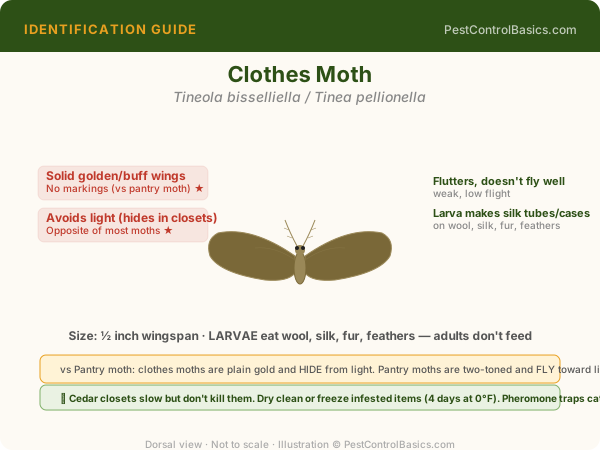
Clothes Moth (Tineola bisselliella) identification illustration with labeled anatomical features — PestControlBasics.com

Original illustration by PestControlBasics.com. Use anatomical labels above to confirm your identification.

📋 Step-by-Step

1
Find all infested items first
Inspect every wool, cashmere, silk, and feather item — coats, sweaters, blankets, stuffed animals, taxidermy, piano felts. Look for larvae (cream, 4-8mm), silken tubes or webbing, and shed skins. Organize finds before starting treatment.
2
Launder all washable items in hot water
Wash at 50°C (122°F) minimum. Dry at high heat for 30 minutes. This kills all life stages. For dry-clean-only items: have them professionally dry-cleaned (chemical vapor treatment kills all stages).
3
Freeze non-washable items for 7 days
Items that can't be washed or dry-cleaned: seal in plastic bags and freeze at 0°F for minimum 7 days. This kills eggs, larvae, and pupae. Allow to warm to room temperature before removing from bags to prevent condensation damage.
4
Apply pheromone traps for adult monitoring
Webbing clothes moth pheromone traps (Safer Brand, Moth-Prevention) detect adult activity and help you confirm whether the infestation is controlled. Place in the areas where infested items were found.
5
Apply Permethrin or bifenthrin spray to carpet edges, closet surfaces
Apply residual spray to bare wood surfaces in closets, edges of carpets, and dark undisturbed areas where larvae pupate. Do not spray clothing directly — treat the surfaces where larvae travel.

💡 Pro Tips

  • The adult moths you see fluttering around are not the damaging stage — the larvae are hidden in folds of clothing and are rarely seen until damage is extensive
  • Cedar oil and lavender are repellents, not killers — they may deter new moths from entering protected storage but don't kill an existing infestation
  • Regular inspection (every 3-6 months) of stored seasonal clothing is the only reliable prevention
  • Store seasonal clothing in sealed bags or cedar chests with lavender sachets — this prevents future infestations after treatment
⚖️ Educational use only. Always follow product labels. Disclaimer →

💰 Cost to Fix This Problem

ApproachTypical CostBest For
DIY materials only$25–$75Mild or early-stage infestations
Professional service (one-time)$150–$400Active infestations or when DIY has already failed
Ongoing service contract$400–$800/yrPrevention and long-term peace of mind

Costs vary by region, property size, and severity. Get at least two quotes before hiring.

✅ How to Know It's Working

Pest control success is measured in weeks, not days. Here's what to look for:

💡 Monitoring tip: Place sticky traps in corners and along walls before you start treatment. Counting catches weekly gives you objective data on whether the population is declining.

👷 When to Call a Professional

DIY is appropriate for small, contained infestations caught early. Call a licensed professional when:

⚠️ Rule of thumb: If you've spent more on DIY materials than a professional visit would cost, it's time to call.

❓ Frequently Asked Questions

How do I know if I have clothes moths or carpet beetles?
Clothes moths leave irregular holes with silken webbing. Carpet beetles create surface grazing without webbing. Moth adults are small, gold-colored, and avoid light. Carpet beetle adults are round, patterned, and fly toward windows.
Do cedar closets and mothballs work?
Cedar must be fresh and unfinished to emit adequate vapor. Old cedar provides no protection unless sanded. Mothballs work but require near-airtight enclosures and create health concerns. Pheromone traps are a safer monitoring option.
What fabrics do clothes moths damage?
Only animal-based fibers: wool, cashmere, silk, fur, feathers, angora, and mohair. They do not eat synthetics or cotton. Blended fabrics can be damaged as moths eat through synthetic strands to reach wool content.
How do I protect stored wool and cashmere?
Clean all items thoroughly before storage since moths are attracted to body oils and food stains. Store in sealed airtight containers. Cedar blocks or lavender sachets provide supplemental deterrence inside the container.

📚 More on This Topic

Related guides and profiles:

🔗 🦋 Indian Meal Moth🔗 🐛 Spongy Moth (LDD Moth)🔗 How to Eliminate Clothes Moths Permanently🔗 Clothes Moth Life Cycle
📚 Sources: EPA Safe Pest Control · NPMA Pest Guide
Published: Jan 1, 2025 · Updated: Apr 7, 2026