πŸ”§ HOW-TO

How to Eliminate Fungus Gnats in Houseplants Once and For All

Fungus gnats live in your potting soil β€” not in the air. Treating the air with spray does nothing. The three-step soil protocol eliminates them in 4 weeks.

πŸ“ FIELD GUIDE ILLUSTRATION
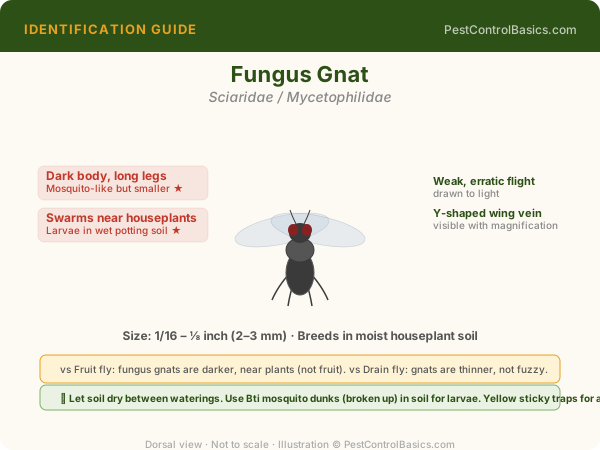
Fungus Gnat (Bradysia spp.) identification illustration with labeled anatomical features β€” PestControlBasics.com

Original illustration by PestControlBasics.com. Use anatomical labels above to confirm your identification.

πŸ“‹ Steps

1
Confirm fungus gnats β€” not fruit flies or drain flies
Fungus gnats: 2mm; dark; long thin legs; long antennae; weak erratic fliers near soil; found walking on soil surface. Fruit flies: red eyes; tan/yellow body; found near fruit. Drain flies: fuzzy wings; found on walls near drains. Treatment is completely different for each.
2
Let the soil dry between waterings
Fungus gnat larvae require continuously moist soil. Allowing the top 1-2 inches to dry between waterings makes the upper soil layer uninhabitable for eggs and young larvae. Most houseplants tolerate (and benefit from) this drying cycle.
3
Apply Bti israelensis soil drench every 5-7 days for 4 weeks
Mosquito Bits steeped in water (1 cup Bits steeped in 1 gallon warm water for 30 minutes, then apply the liquid) delivers Bti to the soil. Bti kills fungus gnat larvae specifically without harming plants, beneficial organisms, or humans. Apply to soil surface every 5-7 days for 4 consecutive weeks β€” one treatment doesn't break the full cycle.
4
Place yellow sticky traps to capture adults
Yellow sticky cards placed at plant level capture adult fungus gnats and monitor treatment progress. Trap catch should decline week over week with Bti treatment β€” flat or increasing catch means soil needs additional treatment.
5
Address any severely infested plants with hydrogen peroxide drench
3% hydrogen peroxide diluted 1:4 in water and applied to soil kills fungus gnat larvae on contact through oxidation. Use as an alternative to Bti for a single aggressive knockdown treatment, then follow with Bti for sustained control.

πŸ’‘ Tips

  • The 4-week protocol is necessary because Bti kills larvae but not eggs or pupae β€” continued weekly treatment catches each new larval generation as it hatches from pre-existing eggs
  • Don't mist your houseplants during fungus gnat treatment β€” frequent surface moisture is ideal for egg laying
  • Diatomaceous earth on the soil surface creates a physical barrier that deters egg laying and kills young larvae crawling across it β€” combine with Bti soil drench for enhanced effect
  • Repotting into fresh sterile potting mix eliminates the immediate population but doesn't prevent reinfestation if the moisture conditions remain
βš–οΈ Educational use only. Disclaimer β†’

πŸ’° Cost to Fix This Problem

ApproachTypical CostBest For
DIY materials only$15–$40Mild or early-stage infestations
Professional service (one-time)$130–$300Active infestations or when DIY has already failed
Ongoing service contract$400–$800/yrPrevention and long-term peace of mind

Costs vary by region, property size, and severity. Get at least two quotes before hiring.

βœ… How to Know It's Working

Pest control success is measured in weeks, not days. Here's what to look for:

πŸ’‘ Monitoring tip: Place sticky traps in corners and along walls before you start treatment. Counting catches weekly gives you objective data on whether the population is declining.

πŸ‘· When to Call a Professional

DIY is appropriate for small, contained infestations caught early. Call a licensed professional when:

⚠️ Rule of thumb: If you've spent more on DIY materials than a professional visit would cost, it's time to call.

❓ Frequently Asked Questions

How do I eliminate fungus gnats from houseplant soil?
Allow the top 1-2 inches of soil to dry between waterings. Apply Bti granules or dissolved mosquito dunks in watering water to kill larvae. Yellow sticky traps at soil level capture adults. This combined approach works within 2-3 weeks.
Are fungus gnats harmful to my plants?
Adults are harmless. However, larvae feed on root hairs and in heavy infestations can damage seedlings and young plants. Established plants with healthy roots tolerate moderate larval populations without visible damage.
Why do fungus gnats keep coming back?
Overwatering is the primary cause. Consistently moist soil creates ideal conditions. Switching to bottom-watering (placing pots in water for 20 minutes, then draining) keeps the top layer dry where gnats lay eggs.
Can I repot to get rid of fungus gnats?
Repotting with fresh sterile mix removes larvae and eggs. However, if watering habits do not change, gnats will recolonize. Repotting combined with reduced watering and Bti treatments provides the most complete solution.
πŸ“š Sources: Texas A&M Fire Ant Project Β· EPA Safe Pest Control
Published: Jan 1, 2025 Β· Updated: Apr 7, 2026