📐 FIELD GUIDE ILLUSTRATION
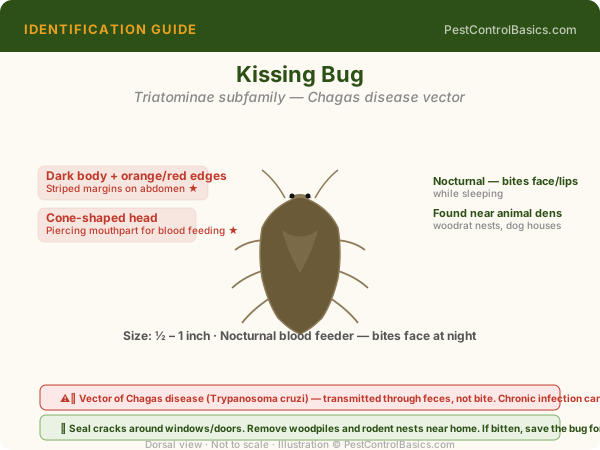
Original illustration by PestControlBasics.com. Use anatomical labels above to confirm your identification.
📋 Step-by-Step
1
Identify kissing bugs correctly
Kissing bugs: 15-25mm; brown to black; distinctive orange/red/yellow bands on abdomen edges; cone-shaped head. Found in Texas, New Mexico, Arizona, and other southern states. Not to be confused with wheel bugs (larger, grey, spiny crest on back), boxelder bugs (red markings on wings), or squash bugs (no banding). Correct ID determines next steps.
2
Seal exterior entry points
Kissing bugs enter through gaps in door frames, window screens, utility penetrations, and cracks in masonry. Standard exclusion work — weatherstripping, caulking, patching screens — reduces entry.
3
Reduce outdoor lighting at night
Kissing bugs are attracted to lights. Yellow/amber LED bulbs are less attractive than white LEDs or incandescent. Motion-sensing lights that activate only when needed reduce total light exposure time.
4
Keep pets indoors at night in endemic areas
Kissing bugs primarily feed at night. Dogs and outdoor pets sleeping in endemic areas are at higher risk for Chagas disease acquisition. Reduce outdoor exposure during nighttime hours in high-risk areas.
5
If you find one inside — don't crush it
Kissing bug feces contain Trypanosoma cruzi (the Chagas parasite) — transmitted through fecal contamination of bites, not directly by the bite itself. Capture in a container without crushing, freeze for preservation, and submit to your state health department for testing — this data helps track local disease risk.
💡 Pro Tips
- Chagas disease risk from kissing bugs in the US is real but relatively low — the specific transmission pathway (feces rubbed into bite or eyes) requires specific behavior
- Texas has the highest US kissing bug activity, particularly in rural areas with stone or wood structures near wildlife habitats
- If you're bitten and concerned about exposure, contact your doctor — an acute Chagas test can be done within weeks of potential exposure
- Wildlife (particularly raccoons, opossums, and armadillos) are reservoir hosts for Chagas — structures near wildlife habitat have higher risk
⚖️ Educational use only. Always follow product labels. Disclaimer →