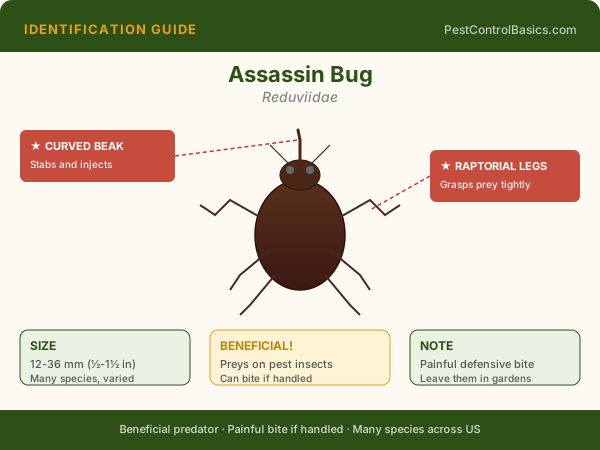
Illustrated identification guide — PestControlBasics.com
🔍 Identification
Adults: 12-25mm depending on species; elongated; curved beak under head (rostrum); usually brown, grey, or green (good camouflage); one pair of wings; sometimes have sticky legs that trap prey. Found stalking plants hunting for prey in gardens and on crops. Milkweed assassin bug: bright orange-red; large hunter.
🧬 Biology & Behavior
Assassin bugs inject paralytic saliva through their beak into prey — then feed by consuming the liquefied contents. They hunt caterpillars, aphids, flies, beetles, and virtually any insect they can subdue. They're ambush predators that hold perfectly still until prey comes within range, then strike rapidly. Some species are important biocontrol agents in managed agricultural settings.
⚠️ Damage & Health Risk
The defensive bite — if an assassin bug is pressed against skin or accidentally grabbed — is very painful (immediate sharp pain, more intense than a bee sting) but not medically significant for most people.
🔧 DIY Treatment
No treatment needed or warranted. Protect them by avoiding broad-spectrum insecticide applications. Don't handle them with bare hands. Their presence indicates a healthy, pest-predator-balanced garden ecosystem.
👷 When to Call a Pro
Never warranted for assassin bugs themselves.