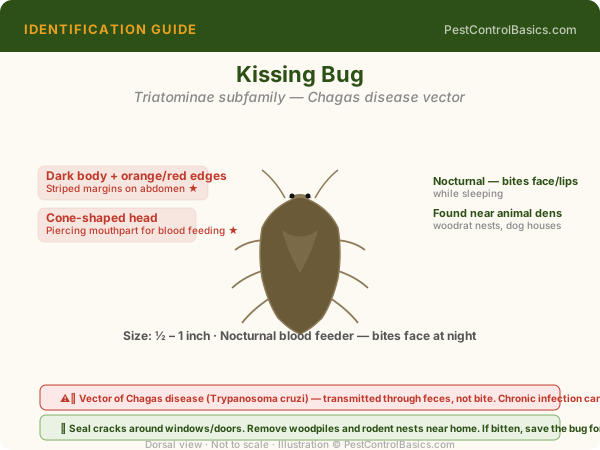
Original illustration by PestControlBasics.com. Use anatomical labels above to confirm your identification.
🔍 Identification
Adults: 14-24mm; oval; dark brown to black; orange or red spots along abdomen edge (diagnostic); elongated head with forward-pointing beak (rostrum). Nocturnal blood feeders — feed on sleeping humans and animals, defecating near the bite site. Multiple species in the US (T. sanguisuga, T. protracta, T. gerstaeckeri).
🧬 Biology & Behavior
Found in 29 US states; highest risk in Texas, New Mexico, Arizona, and California. Associate with wildlife (especially wood rats, opossums, armadillos) and their nests. Enter structures at night through gaps. Range is expanding northward. Chagas disease (American trypanosomiasis) affects 300,000+ people in the US, mostly from Latin American immigration where infection occurred, but local transmission does occur.
⚠️ Damage & Health Risk
Painful bite; itching; potential Chagas disease transmission through feces rubbed into bite wound or eyes; Chagas disease can cause severe cardiac and digestive complications years after infection.
🔧 DIY Treatment
Seal exterior gaps, especially at ground level. Remove woodrat nests and debris from near structure. Reduce outdoor lighting that attracts insects that kissing bugs prey on. Check pets and dogs — they're primary domestic hosts. Don't touch with bare hands if found.
👷 When to Call a Pro
If you find a kissing bug indoors: don't crush — put in a sealed container and submit to your state health department for identification and testing. This is critical for disease surveillance.