πŸ” ID GUIDE

Boxelder Bug vs. Brown Marmorated Stink Bug

Both invade homes in fall but look completely different. One has a distinctive stink; the other has distinctive red markings.

πŸ›
Boxelder Bug
Black with red markings; flat
VS
🀒
Brown Marmorated Stink Bug
Marbled brown/grey; shield-shaped
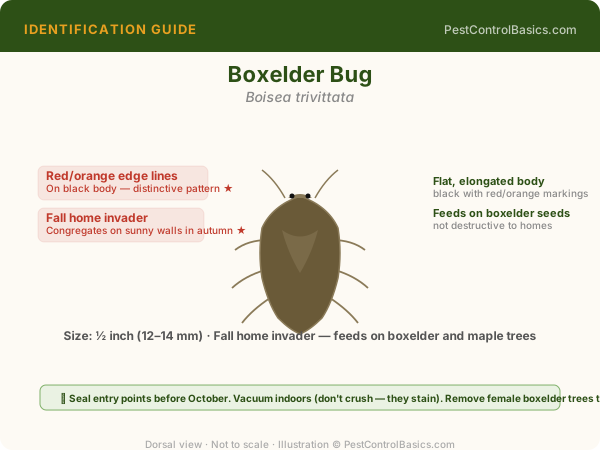
πŸ“ FIELD GUIDE ILLUSTRATION
Boxelder Bug (Boisea trivittata) identification illustration with labeled anatomical features β€” PestControlBasics.com

Original illustration by PestControlBasics.com. Use anatomical labels above to confirm your identification.

πŸ”‘ Key Difference

Boxelder bug: black oval with distinctive red lines on wings and thorax; flatter body. BMSB: shield-shaped; marbled brown/grey; alternating black and white bands on abdomen edge. Both smell when disturbed but BMSB has a stronger, sharper odor.

⚠️ Urgency

Both are nuisance-only invaders requiring identical September perimeter spray prevention. Neither is medically concerning. Both should be vacuumed (not crushed) indoors.

πŸ“· Still Unsure?

πŸ“· Photo ID Tool

πŸ“Š Full Comparison: Boxelder Bug vs. Brown Marmorated Stink Bug

FeatureBoxelder BugBrown Marmorated Stink Bug
ShapeElongated oval, flatterShield-shaped, more rounded
ColorBlack with red/orange markingsMottled brown/grey with marbling
SizeΒ½ inch⅝ inch
OdorMild, slightly acidicStrong, pungent (cilantro-like to some)
SeasonFall entry, spring exitFall entry, spring exit
TreatmentIdentical β€” September perimeter sprayIdentical β€” September perimeter spray

πŸ”§ Treatment Guide

Both are nuisance-only invaders requiring identical treatment: perimeter spray with bifenthrin in September before they enter, followed by sealing all entry points. Neither is medically dangerous.

πŸ’‘ Confirm before treating: Misidentification is common with these two species. Capture a specimen and compare against the table above before purchasing any products.

❓ Identification FAQ

Do I need different products to treat each one?
No. Both boxelder bugs and brown marmorated stink bugs respond to the same treatment: bifenthrin or permethrin perimeter spray applied in September, before they seek entry points. Seal gaps around windows, doors, and utility penetrations for lasting prevention.
Why do they both invade homes in fall?
Both species are seeking warmth for overwintering. They're attracted to sun-warmed south and west-facing walls. Neither breeds indoors β€” they're just sheltering and will exit in spring. Vacuuming is the best indoor control once they're inside.
What's the fastest way to confirm which pest I have?
Capture a live or dead specimen and compare it directly against the identification features in this guide. A clear close-up photo submitted to your county's cooperative extension service will get you a free expert identification within 1–3 business days. iNaturalist is also excellent for invertebrate ID.
Can I treat for both at the same time?
If you're unsure which pest you have, it's often more effective to wait for confirmation rather than applying multiple treatments. Misapplied pesticides can scatter populations without eliminating them. The exception: if both pests require identical treatment (as with many fall invaders), treating once covers both.
πŸ“š More on This Topic

Related guides and profiles:

πŸ”— StinkBugsπŸ”— How to Stop Stink Bugs From Invading Your Home in FallπŸ”— 🀒 Green vs. Brown Marmorated Stink BugπŸ”— Brown Marmorated Stink Bug Life Cycle β€” Why Fall Treatment Works
Published: Jan 1, 2025 Β· Updated: Apr 7, 2026