🪳 American Cockroach Biology

Periplaneta americana · Blattodea: Blattidae

The American cockroach is a peridomestic species — it primarily lives outdoors and in sewers. Treating your kitchen like a German cockroach infestation will fail. Here's the correct biology and approach.

CockroachAmerican CockroachPalmetto BugPeridomesticSewerBlattidae
🪳
Risk Level
Peridomestic Cockroach
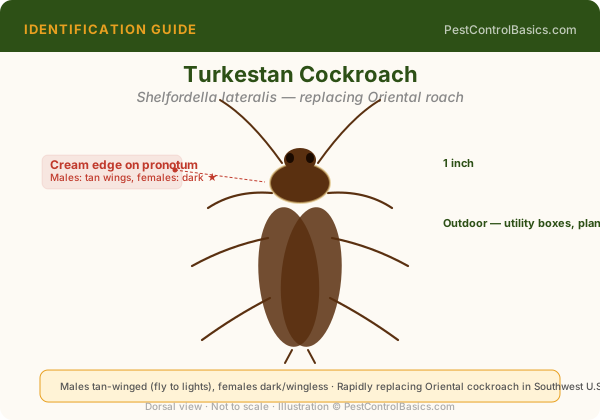
📐 FIELD GUIDE ILLUSTRATION
Turkestan Cockroach (Shelfordella lateralis) identification illustration with labeled anatomical features — PestControlBasics.com

Original illustration by PestControlBasics.com. Use anatomical labels above to confirm your identification.
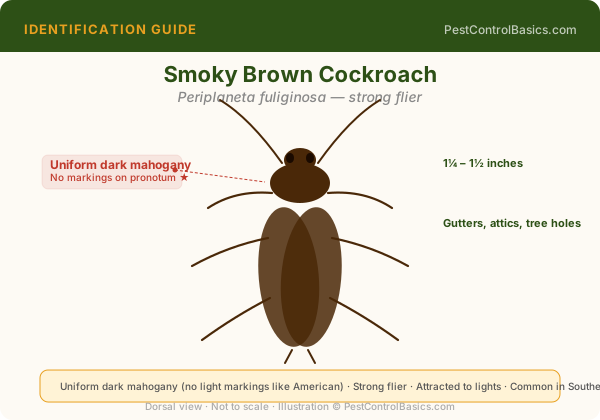
📐 FIELD GUIDE ILLUSTRATION
Smoky Brown Cockroach (Periplaneta fuliginosa) identification illustration with labeled anatomical features — PestControlBasics.com

Original illustration by PestControlBasics.com. Use anatomical labels above to confirm your identification.
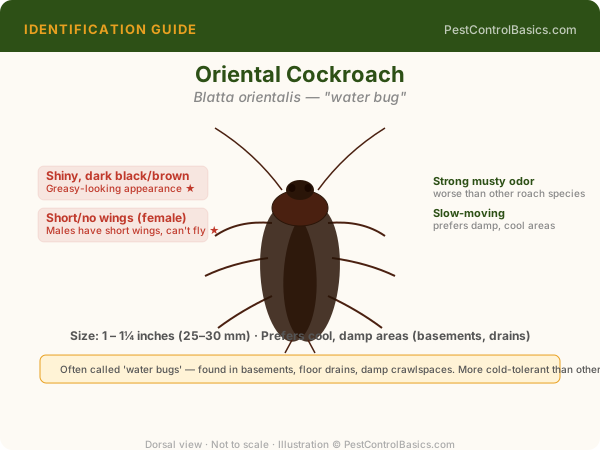
📐 FIELD GUIDE ILLUSTRATION
Oriental Cockroach (Blatta orientalis) identification illustration with labeled anatomical features — PestControlBasics.com

Original illustration by PestControlBasics.com. Use anatomical labels above to confirm your identification.
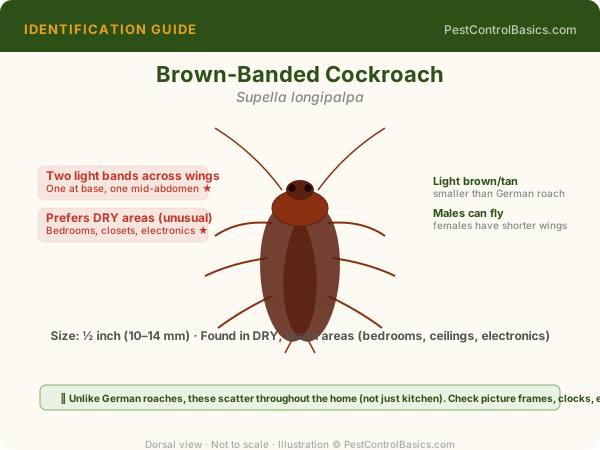
📐 FIELD GUIDE ILLUSTRATION
Brown Banded Cockroach (Supella longipalpa) identification illustration with labeled anatomical features — PestControlBasics.com

Original illustration by PestControlBasics.com. Use anatomical labels above to confirm your identification.
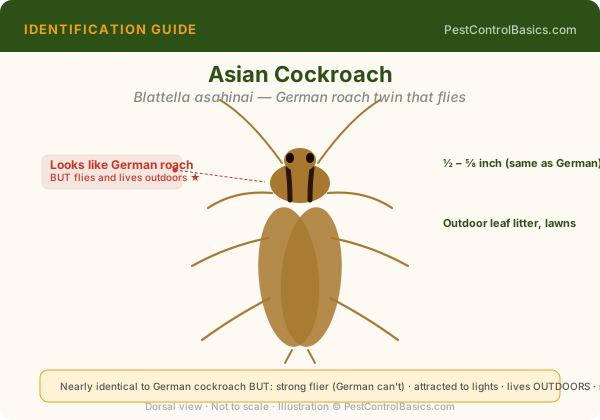
📐 FIELD GUIDE ILLUSTRATION
Asian Cockroach (Blattella asahinai) identification illustration with labeled anatomical features — PestControlBasics.com

Original illustration by PestControlBasics.com. Use anatomical labels above to confirm your identification.
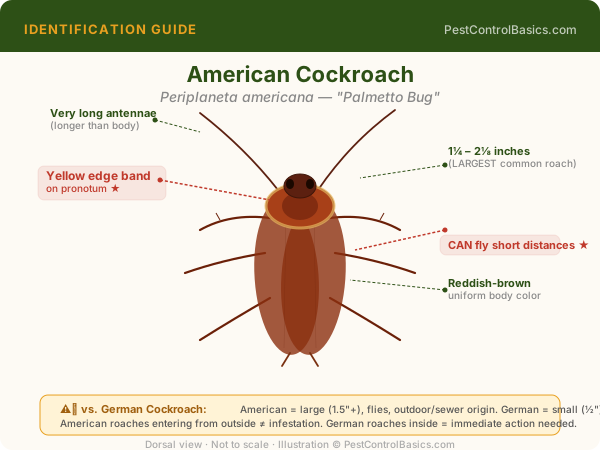
📐 FIELD GUIDE ILLUSTRATION
American cockroach (Periplaneta americana) identification illustration with labeled anatomical features — PestControlBasics.com

Original illustration by PestControlBasics.com. Use anatomical labels above to confirm your identification.

🔬
PestControlBasics Editorial Team
Reviewed by Derek Giordano · Updated 2026

🔍 Identification

Adults: 35-40mm — the largest common cockroach in the US. Reddish-brown with a pale-yellow figure-8 pattern behind the head (the diagnostic marking). Can fly in warm weather. Nymphs: 13 instars over 6-12 months. Egg capsule (ootheca): carried briefly then deposited in protected locations outdoors. Found primarily in: sewers, storm drains, steam tunnels, mulch beds, tree holes, and outdoor debris — entering structures through drains and foundation gaps.

🧬 Biology & Behavior

American cockroaches do NOT establish breeding colonies inside clean structures the way German cockroaches do. They're opportunistic invaders seeking moisture and warmth, entering through drains (P-traps without water seals), utility penetrations, and door gaps. A single American cockroach found indoors is almost always an individual intruder, not a sign of indoor colony establishment. Multiple simultaneous indoor sightings often indicate a nearby outdoor population or sewer access problem.

⚠️ Damage & Health Risk

Psychological distress from large size; contamination of food or surfaces by individuals entering from sewers; occasional biting (rare — documented mostly in sleeping infants in heavily infested areas); minor allergen contribution.

🔧 DIY Treatment

Exterior perimeter spray monthly (bifenthrin) — intercepts before entry. Seal utility penetrations at foundation. Ensure P-traps in floor drains have water seals. Install door sweeps. Delta Dust in utility voids and around sewer access points.

👷 When to Call a Pro

For structures with confirmed sewer access (multi-unit buildings, restaurants): professional application of boric acid or gel bait in drain areas plus exclusion work.

❓ FAQ

I found one American cockroach inside — do I have an infestation?
One American cockroach indoors almost certainly means one individual entered through a gap — not that a colony is established inside. Check for: gaps under exterior doors, dry P-traps in floor drains, and utility penetrations at the foundation. Seal the entry points and apply exterior perimeter spray. If multiple appear consistently, there's a nearby outdoor harborage or sewer connection to address.
Why do American cockroaches appear after rain?
Heavy rain floods the outdoor habitat where American cockroaches live (mulch beds, soil, leaf litter) and their sewer/storm drain harborage. This drives them to seek higher ground and dry shelter — structures. Pre-rain and post-rain perimeter spray timing is the most effective approach for heavy rain events in the South.

📚 More on This Topic

Related guides and profiles:

🔗 GermanCockroach🔗 GermanCockroach🔗 How to Eliminate a German Cockroach Infestation Completely🔗 German Cockroach Life Cycle
📚 Sources: EPA Cockroach Control · CDC Cockroach Allergens
Published: Jan 1, 2025 · Updated: Apr 7, 2026

🗺️ US Distribution — American Cockroach Biology

image/svg+xml
Common Occasional Not Present
States Present
14
Occasional
11
Primary Region
Southeast US
📊 Source: University extension services, USDA, CDC vector data, and published entomological surveys.