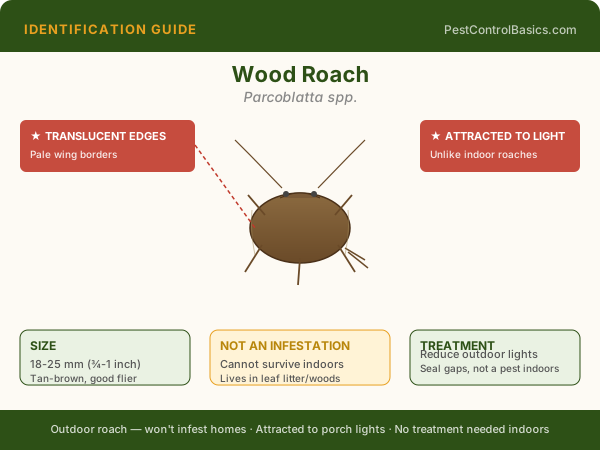
Illustrated identification guide — PestControlBasics.com
🔍 Identification
Males: light brown, 20-25mm, fully winged — fly to lights. Females: shorter wings, rarely fly. Tan/brown with pale edge on the pronotum (back of head). Slow-moving compared to German cockroaches. Found in wood piles, leaf litter, under bark, and in forest litter.
Key distinction from pest species: wood cockroaches cannot survive indoors long-term — they need the humidity and organic matter of outdoor environments. Finding them indoors, especially near firewood or wooded areas, is the tell.
🧬 Biology & Behavior
Wood cockroaches live in moist outdoor environments — rotting logs, leaf litter, bark, mulch. They don't infest kitchens, breed indoors, or need food scraps. Males are attracted to outdoor lighting and enter structures through open doors, windows, and gaps. They die within days to weeks indoors without their outdoor habitat.
⚠️ Damage & Health Risk
No food contamination, no structural damage, no disease transmission. They don't establish indoor populations. Finding multiple over time is a seasonal phenomenon (especially in spring), not an infestation.
🔧 DIY Treatment
Reduce exterior lighting or use yellow/sodium vapor bulbs. Seal gaps under exterior doors. Move firewood away from the foundation. Reduce mulch depth near the structure. A perimeter treatment of bifenthrin in spring can reduce intrusions. Do NOT apply gel bait — wood cockroaches don't respond to cockroach bait.
👷 When to Call a Pro
Rarely warranted — wood cockroaches self-limit indoors and cannot establish. If entries are frequent, a professional perimeter application in April-May is effective.