πŸͺ³ American Cockroach (Palmetto Bug)

Periplaneta americana Β· Blattodea: Blattidae

The American cockroach is the dramatic large roach that startles homeowners β€” but it's primarily an outdoor insect that occasionally enters structures, making it completely different from the German cockroach.

CockroachBlattodeaAmericanPalmetto BugOutdoor InsectLarge
πŸͺ³
Risk Level
Occasional Indoor Invader
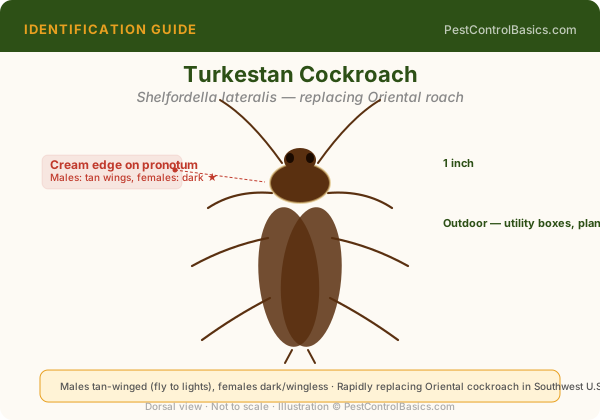
πŸ“ FIELD GUIDE ILLUSTRATION
Turkestan Cockroach (Shelfordella lateralis) identification illustration with labeled anatomical features β€” PestControlBasics.com

Original illustration by PestControlBasics.com. Use anatomical labels above to confirm your identification.
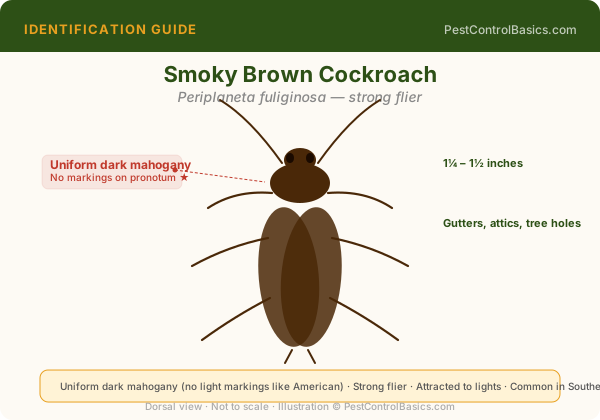
πŸ“ FIELD GUIDE ILLUSTRATION
Smoky Brown Cockroach (Periplaneta fuliginosa) identification illustration with labeled anatomical features β€” PestControlBasics.com

Original illustration by PestControlBasics.com. Use anatomical labels above to confirm your identification.
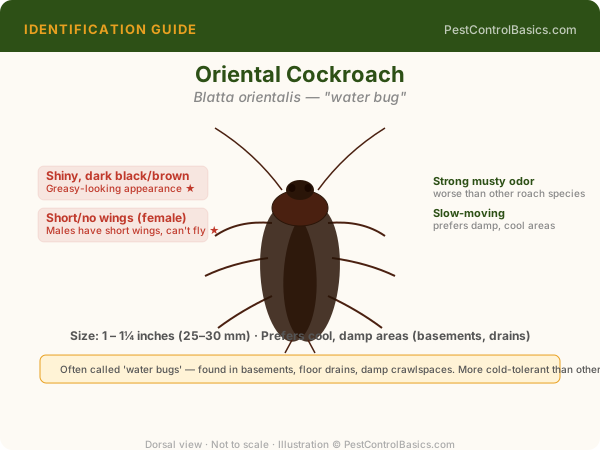
πŸ“ FIELD GUIDE ILLUSTRATION
Oriental Cockroach (Blatta orientalis) identification illustration with labeled anatomical features β€” PestControlBasics.com

Original illustration by PestControlBasics.com. Use anatomical labels above to confirm your identification.
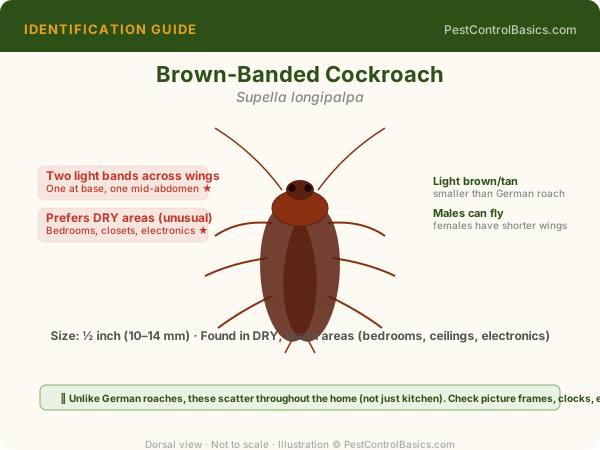
πŸ“ FIELD GUIDE ILLUSTRATION
Brown Banded Cockroach (Supella longipalpa) identification illustration with labeled anatomical features β€” PestControlBasics.com

Original illustration by PestControlBasics.com. Use anatomical labels above to confirm your identification.
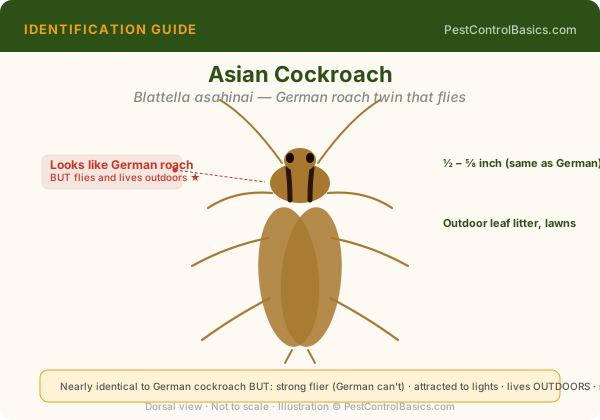
πŸ“ FIELD GUIDE ILLUSTRATION
Asian Cockroach (Blattella asahinai) identification illustration with labeled anatomical features β€” PestControlBasics.com

Original illustration by PestControlBasics.com. Use anatomical labels above to confirm your identification.
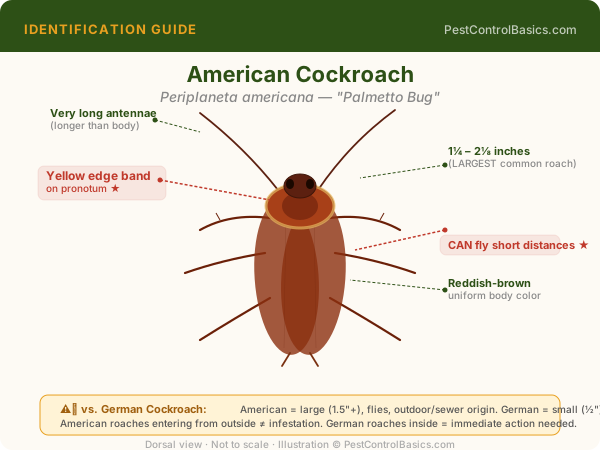
πŸ“ FIELD GUIDE ILLUSTRATION
American cockroach (Periplaneta americana) identification illustration with labeled anatomical features β€” PestControlBasics.com

Original illustration by PestControlBasics.com. Use anatomical labels above to confirm your identification.

πŸ”¬
PestControlBasics Editorial Team
Reviewed by Derek Giordano Β· Updated 2026

πŸ” Identification

35-42mm β€” North America's largest common cockroach; reddish-brown with distinctive pale figure-8 pattern behind the head; both sexes winged (can fly, especially in warm humid weather); long antennae. Droppings: 2-4mm, blunt rounded ends, with ridges. Found in sewers, storm drains, landscaping, mulch, and occasionally structures.

🧬 Biology & Behavior

Primarily an outdoor insect β€” lives in sewers, drains, tree holes, and landscaping. Enters structures through drain pipes, gaps in foundation, and poorly sealed entry points. Does NOT reproduce rapidly indoors like German cockroach. A few American cockroaches in a kitchen is usually entry from outdoors, not an established indoor colony.

⚠️ Damage & Health Risk

Psychological disturbance when seen indoors; contamination of food surfaces they walk across; potential allergen exposure; disease transmission through contact with sewers and food (Salmonella, E. coli).

πŸ”§ DIY Treatment

Exterior is primary treatment: bifenthrin perimeter spray around foundation base; granular bait around drains and perimeter; seal all plumbing penetrations through foundation. Interior: gel bait near drains and under appliances. Reduce exterior moisture (mulch against foundation, drainage issues).

πŸ‘· When to Call a Pro

For restaurants and commercial kitchens with American cockroach pressure, professional exterior baiting programs are recommended.

❓ FAQ

Are American cockroaches the same as palmetto bugs?
Yes β€” 'palmetto bug' is the common name used in the Southeast US for the American cockroach. The name comes from their association with palmetto trees (which they nest in) in coastal southeastern states. Same species, different regional name.
Why do American cockroaches appear suddenly after rain?
Rain flooding their normal habitat (drains, sewers, soil) forces them to relocate temporarily. Post-rain influx of American cockroaches is extremely common. They're seeking dry elevated surfaces β€” which your home provides. Sealing plumbing penetrations prevents this emergency entry.

πŸ—ΊοΈ Geographic Range & Distribution

FactorDetails
U.S. RangeAll 50 states
Regional DetailGerman cockroach: nationwide in urban areas. American cockroach: Southeast and warm coastal cities. Oriental: cooler, humid climates.

πŸ“… Treatment Timing Guide

Treating at the right time dramatically improves results. Pest control timed to the life cycle uses less product and achieves better long-term control.

PeriodAction
Year-roundGerman cockroaches require year-round management β€” no seasonal break.
FallInspect for entry points as outdoor populations move indoors.
SpringDeep clean after winter to remove egg cases and harborage sites.

πŸ’° Professional Treatment Costs

Service TypeDIY CostProfessional Cost
Initial inspectionFree (self-inspect)$75–$150 (often credited to treatment)
One-time treatment$30–$100 in materials$150–$500
Annual service contractN/A$400–$900/year
Severe infestationOften ineffective alone$500–$2,500+

Prices vary by region, property size, and infestation severity.

❓ Common Questions About πŸͺ³ American Cockroach (Palmetto Bug)

How do I confirm I actually have this pest (not something similar)?
The most reliable confirmation is a physical specimen β€” capture one and compare to reference images on this page. For cryptic pests (bed bugs, termites), look for secondary signs: frass, shed skins, mud tubes, or bites with a specific pattern. When uncertain, a professional inspection is faster than months of misidentification.
Can I treat this myself or do I need a professional?
DIY is effective for small, accessible infestations caught early. Professionals are worth the cost when: the infestation is inside wall voids or structural elements, multiple rooms are affected, you have health-risk pests (hantavirus, venomous species), or DIY has already failed twice.
How long until the infestation is completely gone?
Expect 3–8 weeks for most infestations with proper treatment. Insects with dormant life stages (pupae, eggs) extend the timeline because those stages are impervious to most insecticides. Follow-up treatments at 2 and 4 weeks catch each new cohort as they emerge.
What's the most common mistake people make treating this pest?
Treating only the visible pest population while ignoring the harborage site, entry point, or breeding location. Killing adults provides temporary relief but the population rebuilds from hidden egg cases, pupae, or new arrivals through unaddressed entry points.
πŸ“š Sources: EPA Cockroach Control Β· CDC Cockroach Allergens
Published: Jan 1, 2025 Β· Updated: Apr 7, 2026

πŸ—ΊοΈ US Distribution β€” American Cockroach (Palmetto Bug)

image/svg+xml
Common Occasional Not Present
States Present
14
Occasional
11
Primary Region
Southeast US
πŸ“Š Source: University extension services, USDA, CDC vector data, and published entomological surveys.