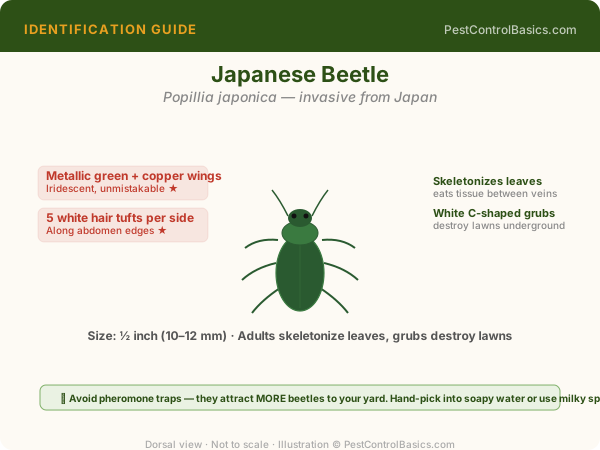
Original illustration by PestControlBasics.com. Use anatomical labels above to confirm your identification.
🔍 Identification
Adults: 2.5-6mm; brown; cylindrical; head hooded by thorax (not visible from above). Evidence: 1-2mm round exit holes in wood; very fine, flour-like powder (frass) below the holes; soft wood that crumbles under probing. Unlike lyctid powderpost beetles (attack only hardwoods), anobiids attack both hardwoods AND softwoods including structural pine, fir, and spruce — making them structurally significant.
🧬 Biology & Behavior
Anobiids can infest wood with 10-30% moisture content — much higher than lyctid beetles. This means they primarily attack wood in damp conditions: crawl spaces, basements, unheated structures, and old construction. Flight holes appear May-June when adults emerge. Eggs are laid in existing flight holes or wood pores. Larvae develop 1-3 years before pupating and emerging as adults.
⚠️ Damage & Health Risk
Structural weakening of softwood framing in moist environments; destruction of antique furniture; damage to historical structures; floor and subfloor damage in high-humidity areas.
🔧 DIY Treatment
Boracare (borate) applied to accessible bare wood — penetrates and kills larvae inside the wood. Reduce moisture (dehumidification, repair leaks) — attacks are concentrated in high-moisture wood. For antiques: freezing at 0°F for 7 days kills all life stages. Discard and replace heavily damaged structural members.
👷 When to Call a Pro
Professional application of borates or fumigation (Vikane) for severe structural infestations in inaccessible areas.