πŸͺ² Asian Longhorned Beetle

Anoplophora glabripennis Β· Coleoptera: Cerambycidae

Asian longhorned beetle has no native predators in North America and kills virtually every hardwood tree it attacks. It threatens the entire US hardwood forest β€” the stakes could not be higher.

Asian Longhorned BeetleInvasiveReport ItHardwoodALBUSDA APHIS
πŸͺ²
Risk Level
Invasive β€” Report Immediately
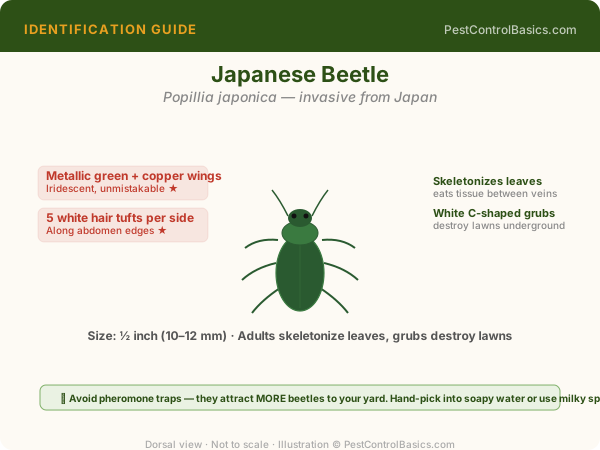
πŸ“ FIELD GUIDE ILLUSTRATION
Japanese Beetle (Popillia japonica) identification illustration with labeled anatomical features β€” PestControlBasics.com

Original illustration by PestControlBasics.com. Use anatomical labels above to confirm your identification.
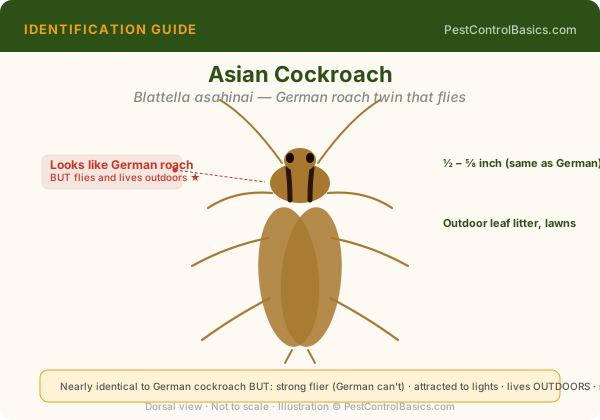
πŸ“ FIELD GUIDE ILLUSTRATION
Asian Cockroach (Blattella asahinai) identification illustration with labeled anatomical features β€” PestControlBasics.com

Original illustration by PestControlBasics.com. Use anatomical labels above to confirm your identification.

πŸ”¬
PestControlBasics Editorial Team
Reviewed by Derek Giordano Β· Updated 2026

πŸ” Identification

Adults: 25-35mm; jet black with irregular white spots; very long banded antennae (equal to or longer than body length β€” unmistakable); found on tree trunks or emerging from round exit holes (12-15mm diameter). Exit holes: perfectly round, 1/2-inch diameter, in hardwood bark β€” most distinctive sign. Active June-October. Found on: maple, birch, willow, elm, ash, poplar, horse chestnut, and many others.

🧬 Biology & Behavior

Larvae bore through the cambium and heartwood of hardwood trees, eventually girdling and killing them. USDA APHIS conducts active eradication programs in confirmed areas: currently active in Massachusetts, New York, Ohio, and South Carolina (counties vary β€” check USDA APHIS website for current status). The eradication protocol involves cutting and chipping every host tree in a 1.5-mile radius of any confirmed detection.

⚠️ Damage & Health Risk

Death of 100% of host trees in infested area; potential loss of 30%+ of urban tree canopy in infested cities; cascading economic impact on maple syrup industry (maples are primary hosts); incalculable ecological damage.

πŸ”§ DIY Treatment

Immediately report suspected beetles to USDA APHIS (1-800-877-3835) or your state department of agriculture. Photograph the beetle AND the tree. Do NOT move wood from the area β€” movement of infested wood spreads the infestation. Early detection is the only effective control strategy.

πŸ‘· When to Call a Pro

USDA APHIS coordinates eradication β€” licensed tree removal contractors work within the quarantine zone. No homeowner treatment exists β€” the tree removal radius protocol is the only effective response.

❓ FAQ

Is Asian longhorned beetle in my area?
Check the USDA APHIS ALB website (aphis.usda.gov/alb) for the current quarantine and confirmed county map. Active eradication programs are underway in specific counties in MA, NY, OH, and SC as of 2026. If you're outside these areas and find the beetle, immediate reporting is even more critical β€” early detection in a new area allows eradication before the population becomes established.
What should I do if I find an Asian longhorned beetle?
1. Don't kill it β€” keep it for positive identification. 2. Photograph the beetle AND the tree it was on. 3. Call USDA APHIS immediately: 1-800-877-3835 or report at www.stopabeetle.com. 4. Do not move any wood, bark, or branches from the area. Time is critical β€” early detection dramatically improves eradication success rates.
πŸ“š Sources: EPA Cockroach Control Β· CDC Cockroach Allergens
Published: Jan 1, 2025 Β· Updated: Apr 7, 2026

πŸ—ΊοΈ US Distribution β€” Asian Longhorned Beetle

image/svg+xml
Common Occasional Not Present
States Present
49
Occasional
2
Primary Region
All agricultural regions
πŸ“Š Source: University extension services, USDA, CDC vector data, and published entomological surveys.