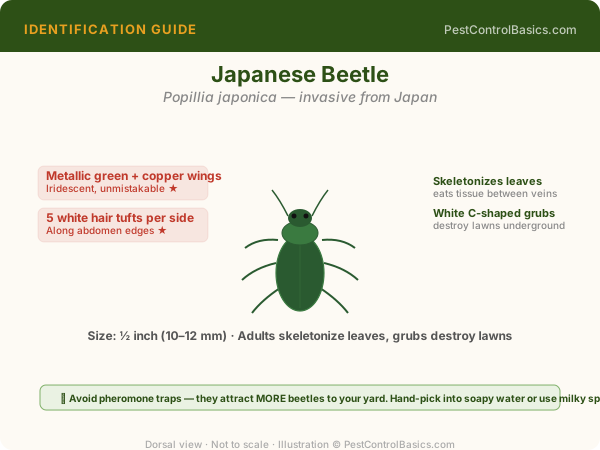
Original illustration by PestControlBasics.com. Use anatomical labels above to confirm your identification.
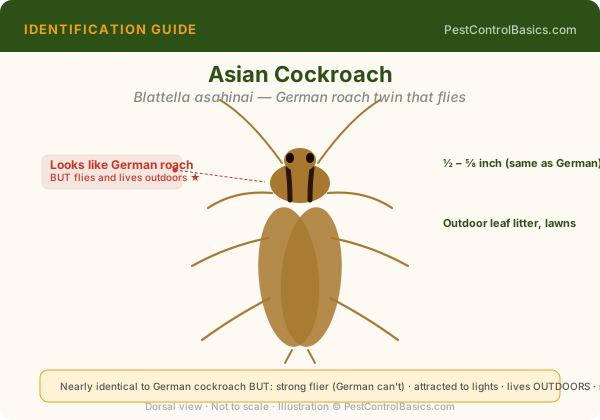
Original illustration by PestControlBasics.com. Use anatomical labels above to confirm your identification.
🔍 Identification
Adults: 25-35mm; jet black with irregular white spots; very long banded antennae (equal to or longer than body length — unmistakable); found on tree trunks or emerging from round exit holes (12-15mm diameter). Exit holes: perfectly round, 1/2-inch diameter, in hardwood bark — most distinctive sign. Active June-October. Found on: maple, birch, willow, elm, ash, poplar, horse chestnut, and many others.
🧬 Biology & Behavior
Larvae bore through the cambium and heartwood of hardwood trees, eventually girdling and killing them. USDA APHIS conducts active eradication programs in confirmed areas: currently active in Massachusetts, New York, Ohio, and South Carolina (counties vary — check USDA APHIS website for current status). The eradication protocol involves cutting and chipping every host tree in a 1.5-mile radius of any confirmed detection.
⚠️ Damage & Health Risk
Death of 100% of host trees in infested area; potential loss of 30%+ of urban tree canopy in infested cities; cascading economic impact on maple syrup industry (maples are primary hosts); incalculable ecological damage.
🔧 DIY Treatment
Immediately report suspected beetles to USDA APHIS (1-800-877-3835) or your state department of agriculture. Photograph the beetle AND the tree. Do NOT move wood from the area — movement of infested wood spreads the infestation. Early detection is the only effective control strategy.
👷 When to Call a Pro
USDA APHIS coordinates eradication — licensed tree removal contractors work within the quarantine zone. No homeowner treatment exists — the tree removal radius protocol is the only effective response.