πŸͺ² Asian Longhorned Beetle

Anoplophora glabripennis Β· Coleoptera: Cerambycidae

Asian longhorned beetle has the potential to destroy 30% of all US urban trees. Early detection and reporting is critical β€” this pest has been eradicated from several US states through aggressive response.

InvasiveFederal QuarantineBeetleCerambycidaeReport ImmediatelyTree Killer
πŸͺ²
Risk Level
Federal Quarantine Pest
πŸ“ FIELD GUIDE ILLUSTRATION
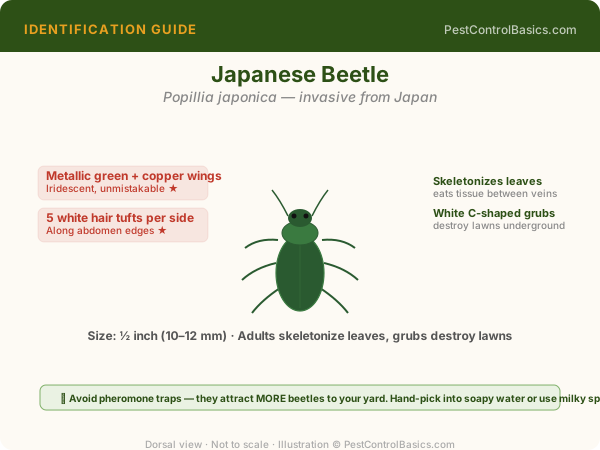
Japanese Beetle (Popillia japonica) identification illustration with labeled anatomical features β€” PestControlBasics.com

Original illustration by PestControlBasics.com. Use anatomical labels above to confirm your identification.
πŸ“ FIELD GUIDE ILLUSTRATION
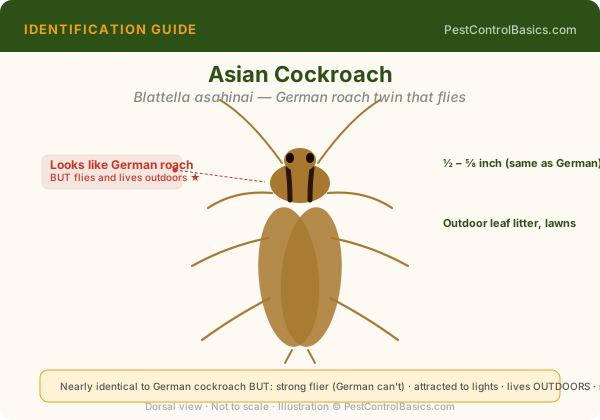
Asian Cockroach (Blattella asahinai) identification illustration with labeled anatomical features β€” PestControlBasics.com

Original illustration by PestControlBasics.com. Use anatomical labels above to confirm your identification.

πŸ”¬
PestControlBasics Editorial Team
Reviewed by Derek Giordano Β· Updated 2026

πŸ” Identification

Adults: 20-35mm; glossy jet black with irregular white spots; extremely long banded antennae (often longer than the body); light blue feet. Exit holes: round, 9-11mm diameter (quarter-sized) in bark. Egg sites: oval depressions chewed in bark. Frass (sawdust-like) at base of tree or in bark crevices.

🧬 Biology & Behavior

Invasive from Asia; arrived in US in wood packing material; first detected in Brooklyn, NY in 1996. Has been eradicated from New York, New Jersey, Illinois, and Massachusetts through aggressive tree removal programs costing hundreds of millions of dollars. Current infestations: Worcester County, MA and Ohio. Attacks maples (preferred), birches, elms, horse chestnut, willows, and many other hardwoods.

⚠️ Damage & Health Risk

Tree death within 3-10 years of infestation; potential loss of 30%+ of US urban and suburban tree canopy (estimated $669 billion in tree value at risk); ecosystem disruption; loss of maple syrup industry in affected areas.

πŸ”§ DIY Treatment

YOU CANNOT TREAT ALB β€” report it immediately. If you find what you think is ALB: photograph it from multiple angles, collect the insect if possible in a sealed container, and immediately contact USDA APHIS (1-866-702-9938) or your state department of agriculture. Every confirmed detection triggers an aggressive government response with compensation for property owners.

πŸ‘· When to Call a Pro

Eradication is a government program β€” there is no professional or DIY treatment option. Report immediately.

❓ FAQ

How do I report a suspected Asian longhorned beetle?
Call USDA APHIS at 1-866-702-9938, report online at stopthebeetle.info, or contact your state department of agriculture. Take clear photographs showing the insect, exit holes, and tree damage before reporting. Early detection has enabled complete eradication in multiple states β€” your report matters.
What trees should I inspect for Asian longhorned beetle?
Primary targets: maple trees (all species), particularly sugar maple, silver maple, and Norway maple. Also inspect: birch, elm, horse chestnut, willow, and mountain ash. Look for round exit holes (quarter-sized), oval egg niches in bark, and sawdust-like frass at the tree base or in bark crevices.
πŸ“š Sources: EPA Cockroach Control Β· CDC Cockroach Allergens
Published: Jan 1, 2025 Β· Updated: Apr 7, 2026

πŸ—ΊοΈ US Distribution β€” Asian Longhorned Beetle

image/svg+xml
Common Occasional Not Present
States Present
49
Occasional
2
Primary Region
All agricultural regions
πŸ“Š Source: University extension services, USDA, CDC vector data, and published entomological surveys.