Original illustration by PestControlBasics.com. Use anatomical labels above to confirm your identification.
Original illustration by PestControlBasics.com. Use anatomical labels above to confirm your identification.
Original illustration by PestControlBasics.com. Use anatomical labels above to confirm your identification.
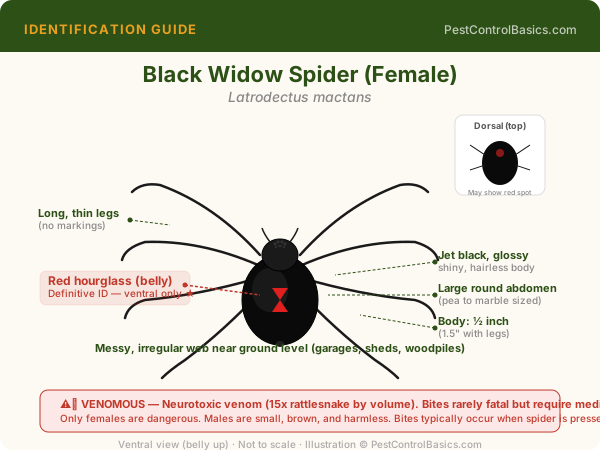
Original illustration by PestControlBasics.com. Use anatomical labels above to confirm your identification.
🔍 Identification
Females: 8-13mm body; glossy jet black; distinctive red hourglass marking on underside of abdomen (most species; some have red spots). Males: smaller; brown; less dangerous. Three US species: L. mactans (South), L. hesperus (West), L. variolus (Northeast). Found: outdoor woodpiles, rock piles, under decks, in undisturbed corners of garages, in utility boxes, and in outdoor structures.
🧬 Biology & Behavior
Black widows build irregular, sticky webs close to the ground in protected, undisturbed locations. They're not aggressive — they bite only when directly threatened or accidentally contacted. Females rarely leave their web. Most bites occur when a person accidentally contacts the spider while reaching into undisturbed areas (woodpiles, garden gloves, pool equipment).
⚠️ Damage & Health Risk
Latrodectism: severe muscle cramps and pain (especially abdominal), sweating, nausea, and elevated heart rate beginning 30-60 minutes after bite. Rarely fatal in healthy adults; most serious risk for children, elderly, and immunocompromised. Antivenom (Antivenin Latrodectus mactans) available at hospitals.
🔧 DIY Treatment
Prevention: shake out gloves and shoes before wearing; use gloves when reaching into undisturbed areas; inspect outdoor furniture before sitting; reduce debris harborage. Chemical control: bifenthrin spray in known harborage areas. Delta Dust in electrical boxes and similar enclosed spaces.
👷 When to Call a Pro
Any suspected black widow bite should be evaluated by medical professionals — antivenom is available and effective, particularly for high-risk individuals.