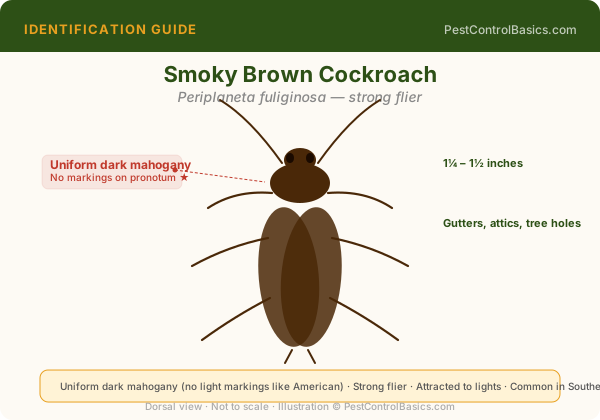
Original illustration by PestControlBasics.com. Use anatomical labels above to confirm your identification.
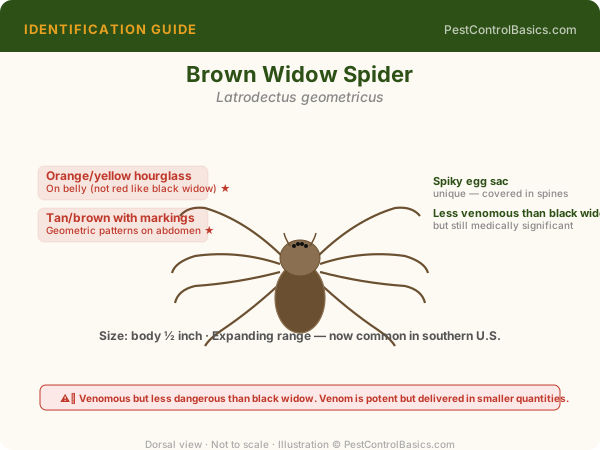
Original illustration by PestControlBasics.com. Use anatomical labels above to confirm your identification.
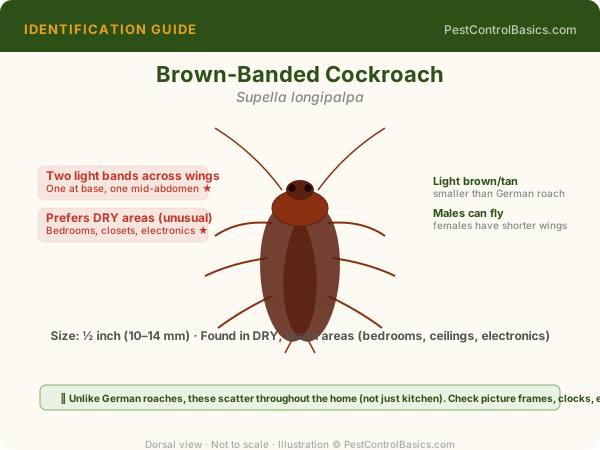
Original illustration by PestControlBasics.com. Use anatomical labels above to confirm your identification.
🔍 Identification
Adults: 35-42mm wingspan; white wings with distinctive white-tufted brown abdomen tip (females). Caterpillars (damaging + toxic stage): 35-40mm; dark brown with two red spots on top near tail; covered in dense, barbed hairs. Winter webs: silky white tents at branch tips on cherry, oak, and birch — persisting through winter and into spring. Range: restricted to Maine and coastal Massachusetts (Cape Cod peninsula primarily).
🧬 Biology & Behavior
Browntail moth is an invasive from Europe established in New England in the late 1800s. The toxic hairs (setae) break off and become airborne — especially during spring caterpillar development and again in late summer when the hairs disperse. The microscopic barbs lodge in skin and lungs. Adults don't cause the rash — only caterpillar hairs do.
⚠️ Damage & Health Risk
Persistent contact dermatitis (poison-ivy-like rash) lasting 1-6 weeks from airborne or direct hair contact; respiratory irritation ranging from mild to severe in sensitive individuals; potential asthma exacerbation; eye irritation. Maine public health tracks exposure incidents annually.
🔧 DIY Treatment
Winter web removal (most effective): Cut infested branch tips with long-handled pruners in winter (January-April) and carefully bag. Don't shake the webs. Don't compost — bag and seal for trash. Spring caterpillar treatment: Bt kurstaki spray in May when caterpillars are small. Spinosad spray. Wear N95 mask and long sleeves during outdoor work in infested areas. Change clothes after outdoor activity in caterpillar season.
👷 When to Call a Pro
For large trees, professional spray applications by licensed arborists provide safer coverage than homeowner ladder work. Maine Forest Service provides guidance on large-scale management.