πŸͺ² Black Carpet Beetle

Attagenus unicolor Β· Coleoptera: Dermestidae

The black carpet beetle is the carpet beetle species that causes the worst damage. Unlike the varied carpet beetle (small, patterned), the black carpet beetle has a broader food range and larger, more voracious larvae.

Carpet BeetleDermestidaeBlackFabric PestStored ProductAttagenus
πŸͺ²
Risk Level
Stored Product / Fabric Pest
πŸ“ FIELD GUIDE ILLUSTRATION
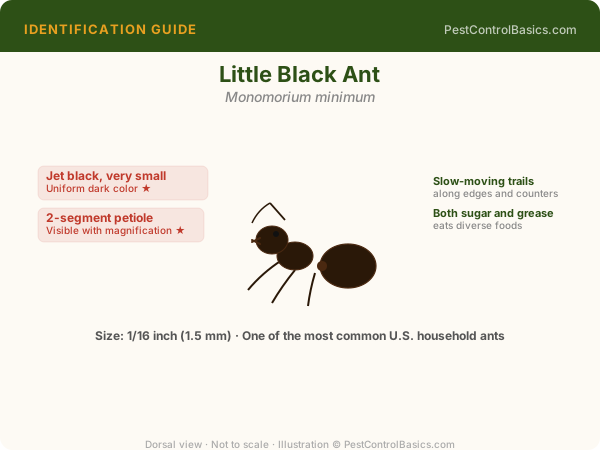
Little Black Ant (Monomorium minimum) identification illustration with labeled anatomical features β€” PestControlBasics.com

Original illustration by PestControlBasics.com. Use anatomical labels above to confirm your identification.
πŸ“ FIELD GUIDE ILLUSTRATION
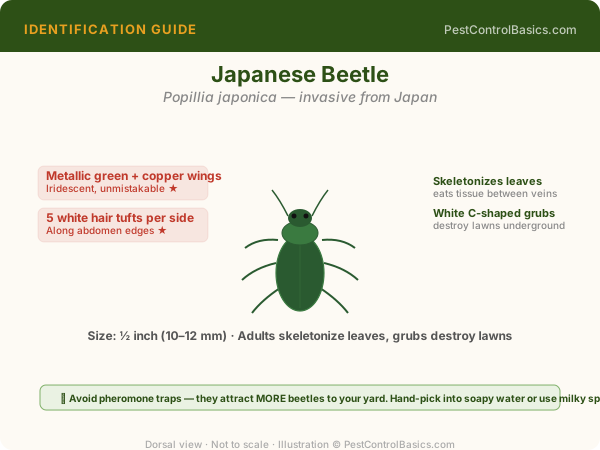
Japanese Beetle (Popillia japonica) identification illustration with labeled anatomical features β€” PestControlBasics.com

Original illustration by PestControlBasics.com. Use anatomical labels above to confirm your identification.
πŸ“ FIELD GUIDE ILLUSTRATION
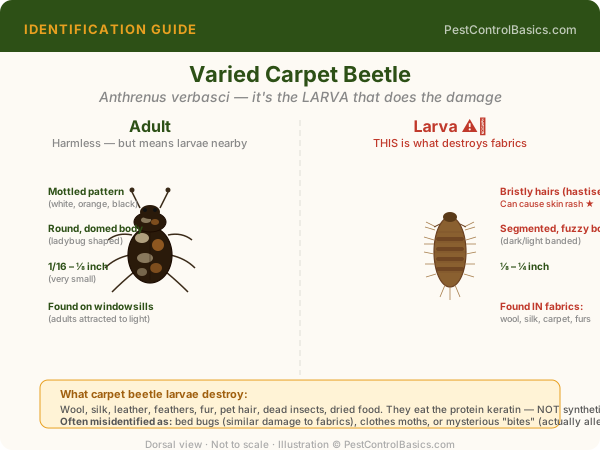
Varied carpet beetle (Anthrenus verbasci) adult and larva identification illustration with labeled anatomical features β€” PestControlBasics.com

Original illustration by PestControlBasics.com. Use anatomical labels above to confirm your identification.

πŸ”¬
PestControlBasics Editorial Team
Reviewed by Derek Giordano Β· Updated 2026

πŸ” Identification

Adults: 3-5mm; uniformly black or very dark brown (no pattern) β€” the diagnostic feature vs varied/furniture carpet beetles which have colorful patterns. Larvae: up to 12mm; elongated; golden-brown with brush of long hairs at tail end β€” very distinctive. Larvae are the damaging stage. Adults feed on pollen outdoors.

🧬 Biology & Behavior

Black carpet beetle larvae eat: wool, silk, feathers, leather, dead insects, fur, stored grain, dried beans, dried meat, fish meal, and more β€” the widest food range of any carpet beetle species. They often enter homes on cut flowers carrying adults. Infestations spread from stored animal products to natural fiber clothing to pantry goods. Development: 9 months to 3 years depending on temperature and food availability.

⚠️ Damage & Health Risk

Damage to wool, cashmere, fur; stored food contamination; destruction of taxidermy, museum specimens, and natural history collections; damage to dead insect reference collections.

πŸ”§ DIY Treatment

Find and remove all infested material. Launder or dry-clean natural fiber clothing (hot wash or professional cleaning). Freeze non-washables (0Β°F, 7 days). Apply bifenthrin along carpet edges and in closets. Pheromone traps monitor adult activity. Inspect cut flowers before bringing indoors.

πŸ‘· When to Call a Pro

For museum collections and commercial storage with chronic infestations, professional application of pyrethrin fog + residual spray + monitoring is standard.

❓ FAQ

How do I tell black carpet beetles from other carpet beetles?
Black carpet beetle adults: uniformly dark black/brown, elongated, 3-5mm β€” no color pattern. Varied carpet beetle: round, small, with colorful scales in white/yellow/black pattern. Furniture carpet beetle: round with white and yellow scales. Larvae: black carpet beetle larvae have a distinctive tail brush of long golden hairs β€” diagnostic.
Why do I keep finding black carpet beetles in my bedroom?
Bedroom infestations often trace to: wool blankets or natural fiber pillows stored in closets; taxidermy items; dead insects accumulated in light fixtures or window sills (black carpet beetles eat dead insects); or a bird/rodent nest in an adjacent wall or attic that the larvae have migrated from.

πŸ“š More on This Topic

Related guides and profiles:

πŸ”— πŸͺ² Japanese Beetle β€” Adults & Grub ControlπŸ”— πŸͺ² Cucumber BeetleπŸ”— πŸͺ² Confused Flour BeetleπŸ”— πŸͺ² Beneficial Ground Beetles
πŸ“š Sources: CDC Rodent Control Β· EPA Rodenticide Safety
Published: Jan 1, 2025 Β· Updated: Apr 7, 2026

πŸ—ΊοΈ US Distribution β€” Black Carpet Beetle

image/svg+xml
Common Occasional Not Present
States Present
49
Occasional
2
Primary Region
All agricultural regions
πŸ“Š Source: University extension services, USDA, CDC vector data, and published entomological surveys.