πŸͺ² Varied Carpet Beetle

Anthrenus verbasci Β· Coleoptera: Dermestidae

Varied carpet beetles enter homes on cut flowers and through windows β€” a completely different entry point from clothes moths, requiring different prevention strategies.

Carpet BeetleDermestidaeFabric PestVariedMuseum PestFlowers
πŸͺ²
Risk Level
Fabric / Museum Pest
πŸ“ FIELD GUIDE ILLUSTRATION
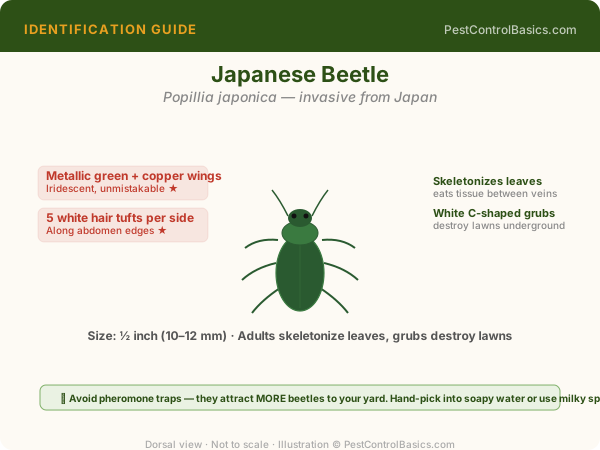
Japanese Beetle (Popillia japonica) identification illustration with labeled anatomical features β€” PestControlBasics.com

Original illustration by PestControlBasics.com. Use anatomical labels above to confirm your identification.
πŸ“ FIELD GUIDE ILLUSTRATION
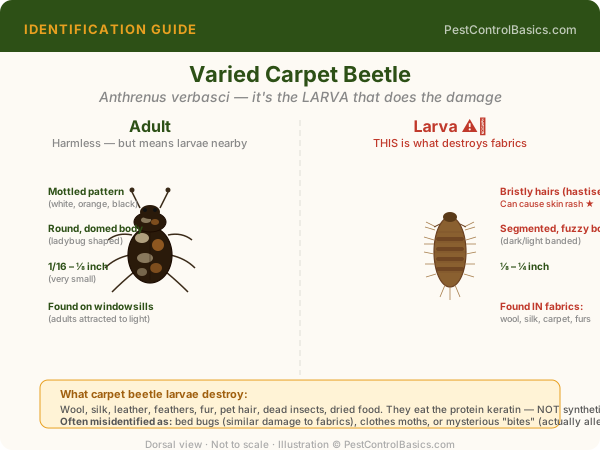
Varied carpet beetle (Anthrenus verbasci) adult and larva identification illustration with labeled anatomical features β€” PestControlBasics.com

Original illustration by PestControlBasics.com. Use anatomical labels above to confirm your identification.

πŸ”¬
PestControlBasics Editorial Team
Reviewed by Derek Giordano Β· Updated 2026

πŸ” Identification

Adults: 2-3.5mm; oval; distinctive irregular pattern of white, brown, and yellow/orange scales on wing covers. Adults are often found on flowers outdoors (feeding on pollen) and near windows indoors (attracted to light β€” opposite behavior from clothes moths). Larvae: 4-5mm; brown; hairy with prominent tufts of longer hairs at the tail β€” called 'woolly bears.' NO SILK WEBBING (distinguishing from clothes moths).

🧬 Biology & Behavior

Adults enter primarily through open windows and on cut flowers. Females lay eggs on natural fiber materials, in accumulated lint, and in bird nests in attics. Larvae feed on wool, cashmere, silk, fur, leather, dried flowers, museum specimens, and dried protein. Multiple generations per year. Adults are attracted to light β€” finding them near windows and light sources is diagnostic.

⚠️ Damage & Health Risk

Irregular holes in natural fiber fabrics (no silk webbing β€” key distinction from clothes moths); museum collection damage; stored woolens and furs; damage to stuffed animals and taxidermy.

πŸ”§ DIY Treatment

Inspect and launder all natural fiber items regularly. Freeze affected items (0Β°F, 72 hours). Permethrin spray to storage surfaces. Vacuum regularly, especially at carpet edges and under furniture. Check for bird nests in attic venting. UV blacklight reveals lint and debris accumulations where larvae concentrate.

πŸ‘· When to Call a Pro

Museum-grade collections use integrated pest management programs developed with conservators.

❓ FAQ

How do I tell carpet beetles from clothes moths?
The fastest ID: silk webbing = clothes moth. No webbing = carpet beetle. Adult behavior: clothes moths avoid light, fly clumsily indoors. Carpet beetle adults are found near windows and on flowers β€” they're attracted to light. Larvae: clothes moth larvae are white with brown head and make webbing. Carpet beetle larvae are brown and hairy without webbing.
Do pheromone traps work for carpet beetles?
Pheromone traps designed for clothes moths DON'T reliably attract carpet beetles β€” different species, different chemistry. Carpet beetle detection uses: visual inspection for adults near windows, UV blacklight to find larvae and accumulations, and sticky traps placed at carpet edges.
πŸ“š Sources: EPA Safe Pest Control Β· NPMA Pest Guide
Published: Jan 1, 2025 Β· Updated: Apr 7, 2026

πŸ—ΊοΈ US Distribution β€” Varied Carpet Beetle

image/svg+xml
Common Occasional Not Present
States Present
49
Occasional
2
Primary Region
All agricultural regions
πŸ“Š Source: University extension services, USDA, CDC vector data, and published entomological surveys.