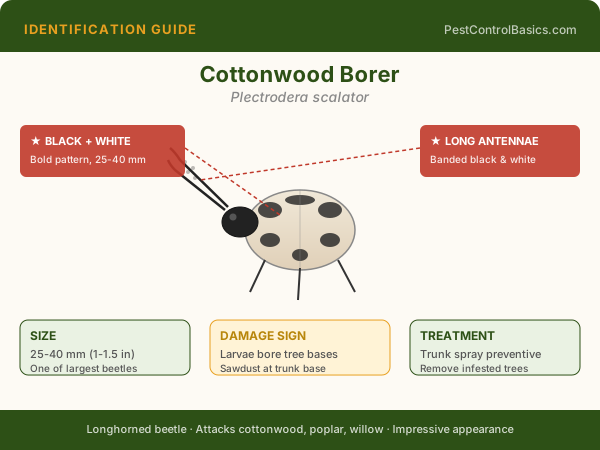
Illustrated identification guide — PestControlBasics.com
🔍 Identification
Adults: 25-40mm — largest North American cerambycid (longhorn beetle); striking black and white pattern; very long antennae (often as long as or longer than the body). Found on cottonwood and willow trees July-August. Difficult to miss when adults are present.
🧬 Biology & Behavior
Females lay eggs at the base of cottonwood and willow trees. Larvae bore into the roots and root collar — not the trunk above ground. Larval period: 2 years in roots. Pupation occurs in the root collar or base of the tree. Damage from root feeding weakens trees and makes them susceptible to windthrow.
⚠️ Damage & Health Risk
Root feeding weakens tree structure; girdling at root collar can kill trees over multiple larval generations; entry wounds at root collar create entry points for pathogens; heavily infested young trees can be killed; landscape cottonwoods most at risk in irrigated areas.
🔧 DIY Treatment
Apply carbaryl or permethrin spray to the trunk base and root flare in July-August when adult females are laying eggs. Repeat application 2-3 weeks later. This prevents new egg-laying but doesn't affect existing larvae. Reduce water stress on trees — vigorous trees resist borer damage better.
👷 When to Call a Pro
For high-value trees, certified arborist assessment and trunk injection of emamectin benzoate provides systemic protection against new larval establishment.