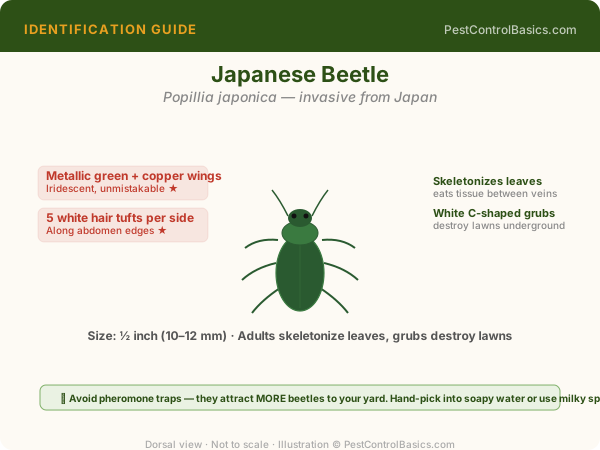
Original illustration by PestControlBasics.com. Use anatomical labels above to confirm your identification.
🔍 Identification
Adults: 6mm; bright yellow-green with 12 black spots (11 is the classic count but number varies); resembles a large ladybug in color pattern. Larvae (corn rootworm): soil-dwelling, feed on corn roots — a separate damaging stage. Found on cucumbers, melons, squash, pumpkins, and sometimes corn and beans. Adults overwinter in woodland debris and emerge when temperatures warm in spring.
🧬 Biology & Behavior
Bacterial wilt (Erwinia tracheiphila) is transmitted from beetle gut to plant as beetles feed — even one infected beetle feeding on a young plant can cause wilt. The bacteria multiply in the plant's vascular system, causing rapid wilting and death within days to weeks. Early-season infection kills plants before fruit sets. Row covers excluding beetles during plant establishment is the most effective disease prevention tool.
⚠️ Damage & Health Risk
Bacterial wilt killing entire cucurbit plants rapidly; feeding damage on leaves, fruit, and blossoms; corn rootworm larval damage to corn roots (same species different crop).
🔧 DIY Treatment
Row covers from transplant to first flower (exclude beetles during most susceptible period). Kaolin clay spray deters adult feeding. Spinosad or pyrethrin spray provides some knockdown. Remove row covers at flowering to allow pollination — then manage adults directly. Resistant cucumber varieties are available (Marketmore 76, County Fair 83).
👷 When to Call a Pro
Commercial cucumber production uses trap crops (Blue Hubbard squash) to concentrate beetles for targeted treatment — reducing overall pesticide use.