πŸ› Squash Bug

Anasa tristis Β· Hemiptera: Coreidae

Squash bugs killed more home garden squash plants than any other pest in the US. They're resistant to pyrethroids, hide effectively, and inject a plant-killing bacterium. Here's the protocol that works.

Squash BugCucurbitHemipteraResistantCoreidaeGarden
πŸ›
Risk Level
Cucurbit Garden Pest
πŸ“ FIELD GUIDE ILLUSTRATION
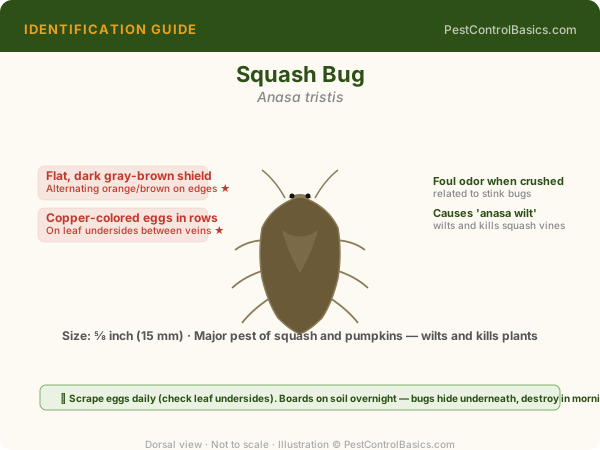
Squash bug (Anasa tristis) identification illustration with labeled anatomical features β€” PestControlBasics.com

Original illustration by PestControlBasics.com. Use the labeled features above to confirm your identification.

πŸ”¬
PestControlBasics Editorial Team
Reviewed by Derek Giordano Β· Updated 2026

πŸ” Identification

Adults: 16mm; flat; dark brown-grey; orange-brown edge on abdomen; shield-shaped; slow-moving. Nymphs: grey-green with black legs. Eggs: distinctive bronze-brown, in neat clusters on leaf undersides β€” usually in the angle between a leaf vein and the stem. Found under boards, mulch, and leaves near squash plants.

🧬 Biology & Behavior

Squash bugs transmit Serratia marcescens bacteria that causes 'cucurbit yellow vine disease' β€” wilting that looks like vine borer damage but kills plants faster. Adults overwinter under debris and boards near the garden. Spring emergence coincides with squash transplant season. They're particularly difficult to control because: adults are resistant to most insecticides; they hide during the day; eggs are laid in protected locations.

⚠️ Damage & Health Risk

Plant wilting and death from Serratia injection; fruit damage; loss of entire cucurbit plantings in severe infestations; particular damage to squash and pumpkins.

πŸ”§ DIY Treatment

Early season (egg stage): inspect leaf undersides and crush egg clusters daily. Kaolin clay spray on plant surfaces deters egg laying. Spinosad spray targets nymphs effectively. Boards placed near plants at night collect adults β€” check and destroy each morning. Row covers prevent adult access during plant establishment.

πŸ‘· When to Call a Pro

For commercial operations: bifenthrin or permethrin applied at soil level around plants at dusk when bugs emerge β€” avoid spraying during bloom hours to protect pollinators.

❓ FAQ

Why don't regular insecticide sprays work on squash bugs?
Adult squash bugs have developed significant pyrethroid resistance and their waxy cuticle resists many spray insecticides. Treatment is most effective on eggs (crush manually) and young nymphs (spinosad works well). Adult treatment requires catching them at night when they're active β€” applying spray at soil level under leaves where they shelter.
How do I know if it's squash bug or squash vine borer damage?
Squash vine borer: check the base of the stem β€” a hole with frass (sawdust-like material) confirms vine borer. Squash bug damage: wilting starting with smaller vines, no stem hole, bugs visible under leaves and mulch. Both cause wilting but vine borer damage shows the characteristic stem entry point.
🧪 Recommended Treatment Products
Permethrin Clothing Repellent Comparison Bifenthrin Beneficial Nematodes Rodenticide Comparison
Full product guides with mixing rates and safety info. → Browse All 130 Pesticide Guides
πŸ“š Sources: CDC Rodent Control Β· EPA Rodenticide Safety
Published: Jan 1, 2025 Β· Updated: Apr 7, 2026

πŸ—ΊοΈ US Distribution β€” Squash Bug

image/svg+xml
Common Occasional Not Present
States Present
49
Occasional
2
Primary Region
Continental US
πŸ“Š Source: University extension services, USDA, CDC vector data, and published entomological surveys.