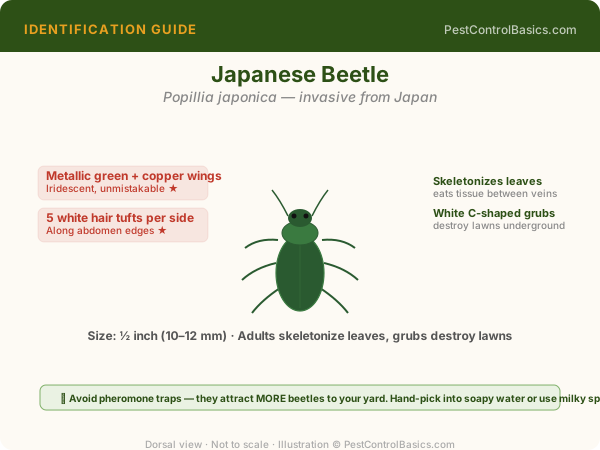
Original illustration by PestControlBasics.com. Use anatomical labels above to confirm your identification.
🔍 Identification
Adults: 5-6mm; yellow-green with 3 distinct black stripes running the full length of the wing covers; black head. Found on cucurbit family plants exclusively: cucumber, squash, pumpkin, melon. Overwinter as adults in woodland margins. Emerge when cucurbits are planted and begin feeding immediately.
🧬 Biology & Behavior
Adults vector Erwinia tracheiphila (bacterial wilt) through their frass during feeding. The bacterium clogs the plant's vascular system — plants with bacterial wilt wilt suddenly and completely within days of symptom appearance, regardless of soil moisture. Transmission test: cut a wilted stem and touch the cut ends together briefly — if pulling apart shows sticky threads, bacterial wilt is confirmed.
⚠️ Damage & Health Risk
Bacterial wilt transmission causing rapid plant death; direct leaf skeletonization; reduced fruit quality from feeding; entire plantings can be lost in high-pressure areas.
🔧 DIY Treatment
Row covers from transplant until first female flowers open — the most effective prevention. Blue Hubbard squash as trap crop. Kaolin clay (Surround WP) as egg-laying deterrent. Targeted pyrethrin or pyrethroid spray when beetles are present. Once a plant has wilt — remove and discard immediately, there is no recovery.
👷 When to Call a Pro
Commercial cucurbit production uses threshold-based spray timing from extension scouting programs.