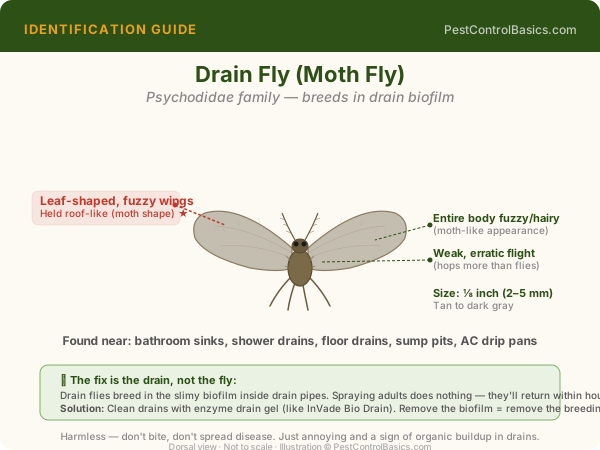
Original illustration by PestControlBasics.com. Use anatomical labels above to confirm your identification.
🔍 Identification
Fruit Fly (Drosophila): 3mm; red eyes; tan/yellow; near overripe fruit and wine. KEY ID: red eyes.
Drain Fly (Psychoda): 2mm; moth-like wings held tentlike; grey; near drains. KEY ID: fuzzy moth appearance.
Fungus Gnat (Bradysia): 2mm; slender; dark; weak flier; near houseplant soil. KEY ID: near plants, walks on soil.
Phorid Fly (Hump-backed Fly) (Phorid): 1-6mm; distinctive hump-backed thorax; runs rapidly before flying; near floor drains, dead animals, sewage. KEY ID: runs before flying.
🧬 Biology & Behavior
All four have different breeding sites: Fruit fly: fermenting food/wine/drains. Drain fly: organic biofilm in drains. Fungus gnat: moist potting soil. Phorid fly: decomposing organic matter, sewage, drain biofilm — can also breed in wall voids with dead animals or structural decay.
⚠️ Damage & Health Risk
Contamination of food surfaces; nuisance activity near food preparation areas; phorid flies can indicate structural plumbing failure or dead animal in walls.
🔧 DIY Treatment
Match treatment to species: Fruit fly → enzyme drain cleaner + remove fermented food. Drain fly → enzyme drain cleaner + drain brush. Fungus gnat → Bti soil drench + reduce watering. Phorid fly → investigate possible sewage leak or dead animal in walls.
👷 When to Call a Pro
If phorid flies persist despite treating all obvious sources, structural plumbing inspection by a professional is warranted — they're sometimes indicators of broken sewer lines within walls.