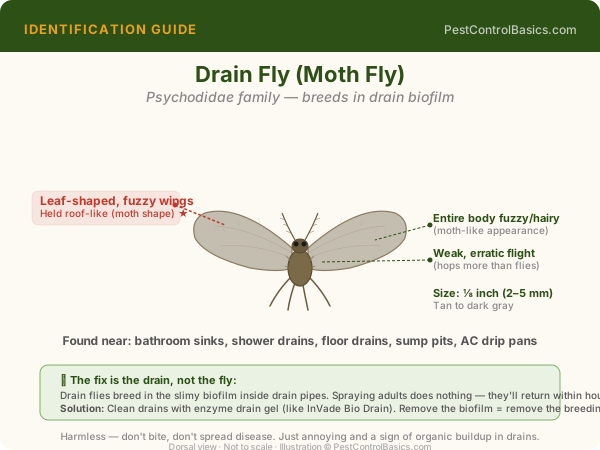
Original illustration by PestControlBasics.com. Use anatomical labels above to confirm your identification.
🔍 Identification
Adults: 2mm; grey; covered in hairs giving fuzzy appearance; hold wings tent-like over body at rest; poor fliers, hop more than fly; found resting near drains and on walls adjacent to drains. Larvae: tiny, thread-like; live in the gelatinous biofilm layer coating drain pipes. Distinctive wing venation with fuzzy edges — unmistakable under magnification.
🧬 Biology & Behavior
Drain flies complete their entire life cycle in drain biofilm — the gel layer of bacteria, hair, grease, and organic material coating pipe walls. Treating adults with spray is completely futile because larvae are continuously hatching from the drain. The biofilm must be physically removed. Enzymatic drain cleaners (like InVade Bio Drain) digest the organic material the larvae require. Treatment time: 2-3 weeks of consistent enzyme treatment eliminates the biofilm layer and larval habitat.
⚠️ Damage & Health Risk
Nuisance adult presence near drains; psychological distress; indication of drain maintenance neglect.
🔧 DIY Treatment
Enzymatic drain cleaner (InVade Bio Drain, Bio-Clean) applied nightly to all affected drains for 2-3 weeks. Mechanical scrubbing of drain interior with long pipe brush after first week. Cover drains overnight with tape — if flies stuck to tape in morning, that drain is active. Continue enzyme treatment until tape shows no flies for 5 consecutive nights.
👷 When to Call a Pro
Rarely warranted for residential settings — enzymatic treatment is the complete solution.