HomePest LibraryDrain Fly
Nuisance — Enzymatic Cleaner Required
🪰

Drain Fly

Psychoda species — Moth Flies

Small, fuzzy, moth-like flies that hover slowly in bathrooms and kitchens. They breed exclusively in the organic biofilm coating the inside of drain pipes. Bleach kills adults on contact but washes past the biofilm without dissolving it — the breeding site survives and new adults emerge within days. Enzymatic cleaner is the solution.

Breeding siteOrganic biofilm INSIDE drain pipes
Bleach effective?NO — doesn't dissolve biofilm
Correct productEnzymatic drain cleaner (Invade Bio Drain)
Treatment duration5–7 consecutive nights
Key stepTape test to identify all breeding drains
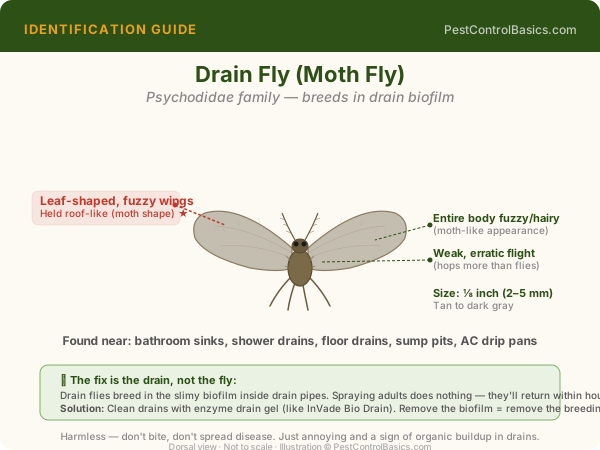
📐 FIELD GUIDE ILLUSTRATION
Drain fly / moth fly (Psychodidae) identification illustration with labeled anatomical features — PestControlBasics.com

Original illustration by PestControlBasics.com. Use anatomical labels above to confirm your identification.

🔍 Identification Photo

Use this photo to confirm your identification. Click to enlarge. Correct ID is the essential first step to effective treatment.

Drain fly (Psychodidae) — 2mm; fuzzy moth-like wings held tent-style over body; larvae live in drain pipe biofilm; scrub

Drain fly (Psychodidae) — 2mm; fuzzy moth-like wings held tent-style over body; larvae live in drain pipe biofilm; scrubbing the drain eliminates them

📷 Wikipedia / Wikimedia Commons / CC BY-SA

⚠️ Photo loaded live from Wikipedia/Wikimedia Commons (CC BY-SA). Appearance varies by region, age, and sex. When uncertain, contact a licensed pest professional.

The Biofilm Problem

Why bleach fails and what actually works

Drain fly larvae live in a gelatinous organic biofilm — a mixture of soap scum, hair, food particles, grease, and bacteria — that coats the inside of drain pipes. This biofilm is not removed by bleach. Bleach kills organisms on contact, but it flows down the pipe in the water, never actually contacting and dissolving the sticky biofilm that clings to the pipe walls.

After a bleach treatment, the biofilm remains intact. The larvae that are in it survive. Within 3–5 days, those larvae become new adults. The cycle continues unchanged.

What works — enzymatic cleaners: Products like Invade Bio Drain, Green Gobbler, and American Bio-Sciences Drain Fly Killer contain bacteria and enzymes specifically designed to digest and dissolve organic biofilm. Poured down the drain and left overnight (without running water), they break down the biofilm itself — eliminating the breeding medium.

Physical cleaning first: Before applying enzymatic cleaner, use a flexible drain brush to physically scrub the P-trap and first few inches of pipe. This disrupts the biofilm and allows the enzymatic solution to penetrate more effectively.

The Tape Test & Full Protocol

Find every breeding drain before treating

The Tape Test: Before treatment, identify every breeding drain in the home. Place clear tape (sticky side down) over every drain at night before bed. Check the next morning. Any drain with drain flies breeding in it will have adults stuck to the tape. Test: kitchen sink, bathroom sinks, shower drains, floor drains, laundry drains, and HVAC condensate drain lines. Missing even one breeding drain means the infestation continues.

Treatment protocol:

1. Physical scrub with drain brush — every identified drain.

2. Pour enzymatic drain cleaner down each drain. Follow product directions — typically pour, let sit overnight, do not run water for 8+ hours.

3. Repeat every night for 5–7 consecutive nights.

4. The overflow drain on bathroom sinks (the small hole near the top of the basin) is a frequently missed breeding site. Treat specifically with enzymatic foam.

5. For rarely used floor drains — pour 1 gallon of water weekly to maintain the P-trap water seal that blocks sewer drain fly access.

💡 The Missed Drain — Bathroom Sink Overflow

The overflow hole near the top of bathroom sink basins connects directly to the drain line and accumulates biofilm that almost never gets cleaned. This is one of the most commonly missed drain fly breeding sites. Use an enzymatic foam spray specifically in this opening.

Quick Reference
Size1/8 inch — tiny
AppearanceFuzzy, moth-like wings
MovementSlow, hopping flight — not fast
vs. Fruit flyDrain flies fuzzy; fruit flies have red eyes
Breeds inOrganic biofilm in drain pipes
Breeding locationP-trap and pipe walls
Bleach?Fails — doesn't remove biofilm
Best productInvade Bio Drain, Green Gobbler
Related Guides
🪰 Drain Fly Guide (original) →🪰 Fruit Fly Guide →🌿 Organic Options →
Not sure? AI Bug ID →Find a Pro →
📚 Sources: EPA Termite Guide · NPMA Termite Info
Published: Jan 1, 2025 · Updated: Apr 7, 2026
Drain Fly
Drain Fly

Frequently Asked Questions

How do I know if I have Drain Fly?

Signs of Drain Fly include physical sightings, droppings or frass, damage to food or materials, and unusual odors. Inspect hidden areas like wall voids, behind appliances, and in storage spaces. A flashlight inspection after dark is often most revealing.

Are Drain Fly dangerous to humans or pets?

Drain Fly can pose health risks including bites, allergic reactions, food contamination, and disease transmission. Children, elderly, and pets are especially vulnerable. Consult a pest management professional when an infestation is confirmed.

Can I eliminate Drain Fly myself?

Light infestations may be manageable with DIY baits, traps, and targeted treatments. Established infestations typically require professional intervention. Misapplied products often scatter pests and worsen the problem long-term.

How long does Drain Fly treatment take?

Timelines vary by infestation size and method. Baits may take 1–4 weeks to work through a colony. Chemical treatments often require 2–3 applications spaced 2–4 weeks apart. Monitor for 30–60 days after treatment to confirm elimination.

What attracts Drain Fly to my home?

Drain Fly are typically drawn by food sources, standing moisture, warmth, and shelter. Sealing entry points, reducing clutter, fixing leaks, and storing food in airtight containers are the most effective long-term prevention measures.

Related Resources

📚 Full Pest Library🧪 DIY vs. Pro Quiz💰 Cost Guide🌿 IPM Guide🔍 Find a Pro
🧪 Recommended Treatment Products
Bti (Mosquito Dunks) IPM Approach
Full product guides with mixing rates, safety info, and brand comparisons. → Browse All 121 Pesticide Guides
🔗 Related Pests
Crane Fly House Fly Fruit Fly Blow Fly Horse Fly Stable Fly
Compare similar pests to confirm your identification. → Use our ID Flowchart
🎬
Drain Fly Source & Treatment
Video guide coming soon — subscribe to be notified when it's live
▶️ Subscribe on YouTube 🔍 Use ID Flowchart Instead
🔮
Reviewed by Derek GiordanoContent on PestControlBasics.com is developed with input from certified pest management professionals and cross-referenced against EPA, CDC, and university extension guidance. Last reviewed: April 2026.

🗺️ US Distribution — Drain Fly

image/svg+xml
Common Occasional Not Present
States Present
51
Occasional
0
Primary Region
All 50 states (indoor pest)
📊 Source: University extension services, USDA, CDC vector data, and published entomological surveys.