πŸͺ° Horse Fly & Deer Fly

Tabanus spp. / Chrysops spp. Β· Diptera: Tabanidae

Horse flies deliver one of the most painful insect bites in North America β€” and they're remarkably resistant to DEET repellent. Here's what actually reduces exposure.

FlyDipteraTabanidaePainful BiteDEET ResistantBlood Feeder
πŸͺ°
Risk Level
Painful Biter
πŸ“ FIELD GUIDE ILLUSTRATION
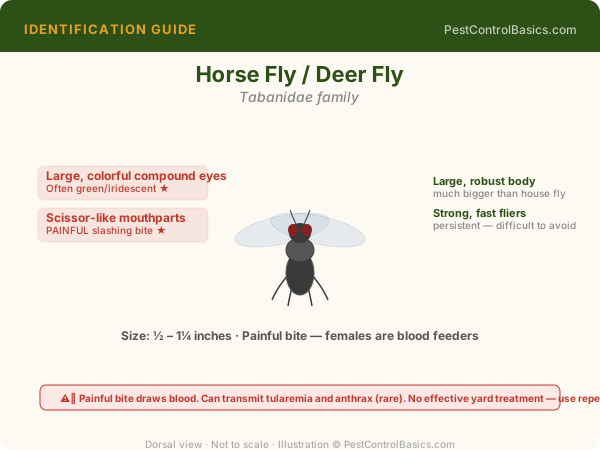
Horse fly (Tabanidae) identification illustration with labeled anatomical features β€” PestControlBasics.com

Original illustration by PestControlBasics.com. Use the labeled features above to confirm your identification.

πŸ”¬
PestControlBasics Editorial Team
Reviewed by Derek Giordano Β· Updated 2026

πŸ” Identification

Horse Fly (Tabanus): Large (20-30mm); grey-brown; large colorful compound eyes; scissor-like mouthparts that cut skin; stealthy approach. Deer Fly (Chrysops): Smaller (7-11mm); dark bands on wings; yellow/green eyes; circles head repeatedly before biting. Both are daytime biters; both only females bite (need blood protein).

🧬 Biology & Behavior

Larvae develop in aquatic or semi-aquatic environments. Adults emerge in summer (June-August peak). Primarily attracted to large moving objects, dark colors, and carbon dioxide. DEET has poor efficacy against tabanids β€” they often bite right through treated skin. Most attracted to waterside areas, marshes, and areas with large mammals.

⚠️ Damage & Health Risk

Intensely painful bites (scissor-like mouthparts cut rather than pierce); potential transmission of equine infectious anemia and other livestock diseases; psychological impact near water recreation areas.

πŸ”§ DIY Treatment

Wear light-colored clothing (dark colors attract more flies). Blue sticky sphere traps ('H-Traps' or Manitoba traps) are highly effective at reducing adult populations near outdoor recreation areas. Head nets when exposure is unavoidable. Move quickly when being pursued β€” deer flies in particular will lose a fast-moving target. DEET is minimally effective but picaridin may work marginally better.

πŸ‘· When to Call a Pro

Professional larviciding of breeding areas near recreational facilities can reduce adult populations significantly.

❓ FAQ

Does DEET work against horse flies?
DEET is poorly effective against horse flies and deer flies β€” studies show minimal protection compared to its excellent efficacy against mosquitoes. Some protection is provided at high concentrations (30%+) but it's unreliable. Physical barriers (long sleeves, head nets) and blue sphere traps provide better protection in high-pressure areas.
What is the best trap for horse flies?
Blue sphere traps ('Manitoba traps' or 'H-Traps') exploit horse fly attraction to large dark moving objects. A sticky blue sphere mimics a host animal and catches thousands of horse flies in high-pressure areas. These are commercially available and significantly reduce populations near swimming areas, equestrian facilities, and campsites.

πŸ—ΊοΈ Geographic Range & Distribution

FactorDetails
U.S. RangeAll or most U.S. states
Regional DetailDistribution varies β€” consult your local extension service for regional prevalence data.

πŸ“… Treatment Timing Guide

Treating at the right time dramatically improves results. Pest control timed to the life cycle uses less product and achieves better long-term control.

PeriodAction
SpringInspection and perimeter treatment before pest season starts.
SummerActive monitoring and targeted treatments as needed.
FallPreventive treatment before overwintering pests seek entry.

πŸ’° Professional Treatment Costs

Service TypeDIY CostProfessional Cost
Initial inspectionFree (self-inspect)$75–$150 (often credited to treatment)
One-time treatment$30–$100 in materials$150–$500
Annual service contractN/A$400–$900/year
Severe infestationOften ineffective alone$500–$2,500+

Prices vary by region, property size, and infestation severity.

❓ Common Questions About Horse Fly & Deer Fly

How do I confirm I actually have this pest (not something similar)?
The most reliable confirmation is a physical specimen β€” capture one and compare to reference images on this page. For cryptic pests (bed bugs, termites), look for secondary signs: frass, shed skins, mud tubes, or bites with a specific pattern. When uncertain, a professional inspection is faster than months of misidentification.
Can I treat this myself or do I need a professional?
DIY is effective for small, accessible infestations caught early. Professionals are worth the cost when: the infestation is inside wall voids or structural elements, multiple rooms are affected, you have health-risk pests (hantavirus, venomous species), or DIY has already failed twice.
How long until the infestation is completely gone?
Expect 3–8 weeks for most infestations with proper treatment. Insects with dormant life stages (pupae, eggs) extend the timeline because those stages are impervious to most insecticides. Follow-up treatments at 2 and 4 weeks catch each new cohort as they emerge.
What's the most common mistake people make treating this pest?
Treating only the visible pest population while ignoring the harborage site, entry point, or breeding location. Killing adults provides temporary relief but the population rebuilds from hidden egg cases, pupae, or new arrivals through unaddressed entry points.
πŸ“š Sources: EPA Termite Guide Β· NPMA Termite Info
Published: Jan 1, 2025 Β· Updated: Apr 7, 2026

πŸ—ΊοΈ US Distribution β€” Horse Fly & Deer Fly

image/svg+xml
Common Occasional Not Present
States Present
49
Occasional
2
Primary Region
Continental US
πŸ“Š Source: University extension services, USDA, CDC vector data, and published entomological surveys.