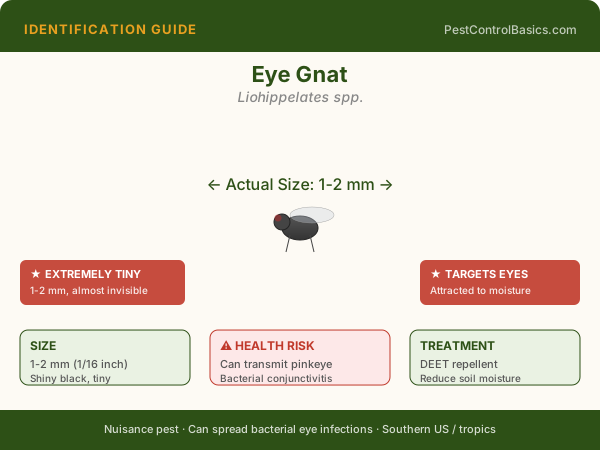
Illustrated identification guide — PestControlBasics.com
🔍 Identification
Tiny: 1.5-2.5mm; shiny black with yellow legs; look like tiny houseflies. The key behavioral feature: persistent attraction to eyes, nostrils, and any moist secretion on the face. Found in coastal and agricultural areas of SE US, California, and Southwest. Cluster in swarms near human faces.
🧬 Biology & Behavior
Eye gnats don't bite but feed on eye secretions, wound exudates, and other moist organic materials. They're mechanical vectors of bovine pinkeye and some skin diseases (transmitted by contaminated mouthparts). Larvae breed in sandy, loose soil with organic matter.
⚠️ Damage & Health Risk
Nuisance — persistent face-swarming behavior is deeply irritating. Potential mechanical transmission of eye infections in high-population areas. Not a significant biting pest but behavioral annoyance rates among the highest of any insect.
🔧 DIY Treatment
DEET repellent on face and neck reduces attraction. Permethrin on clothing. Fan-generated air movement keeps them off. Head nets provide complete protection. Avoid areas with active swarms during peak hours (warm afternoons).
👷 When to Call a Pro
Rarely warranted. Source reduction (soil management in agricultural areas) is the primary professional approach.