HomePest LibraryFungus Gnat
Houseplant Pest — Larvae Cause Damage
🪰

Fungus Gnat

Bradysia species — Fungus Gnats

Tiny dark gnats hovering around houseplants are adults — they're annoying but harmless. The real problem is underground: larvae feeding on roots in overly wet potting mix. Yellow sticky traps catch adults, but Bti in the soil or a dry-out protocol kills the larvae and breaks the cycle.

Damage sourceLarvae eating plant roots — not adults
Root damageCan kill seedlings; weakens established plants
CauseOverwatering — soil stays constantly moist
Adult controlYellow sticky traps — for adults only
Larval controlBti (Bacillus thuringiensis israelensis) in soil
📐 FIELD GUIDE ILLUSTRATION
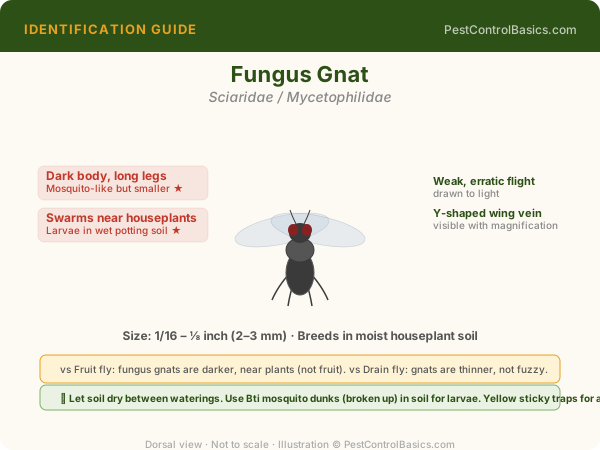
Fungus Gnat (Bradysia spp.) identification illustration with labeled anatomical features — PestControlBasics.com

Original illustration by PestControlBasics.com. Use anatomical labels above to confirm your identification.

🔍 Identification Photo

Use this photo to confirm your identification. Click to enlarge. Correct ID is the essential first step to effective treatment.

Fungus gnat (Bradysia sp.) — long legs, antennae, Y-shaped wing vein; 2–3mm; looks like a tiny mosquito; does not bite;

Fungus gnat (Bradysia sp.) — long legs, antennae, Y-shaped wing vein; 2–3mm; looks like a tiny mosquito; does not bite; breeds in overwatered soil

📷 Wikipedia / Wikimedia Commons / CC BY-SA

⚠️ Photo loaded live from Wikipedia/Wikimedia Commons (CC BY-SA). Appearance varies by region, age, and sex. When uncertain, contact a licensed pest professional.

Identification

Fungus gnat vs. fruit fly — easy to tell apart

Fungus gnats and fruit flies are both small and found in kitchens and living areas, but they're easy to distinguish and have completely different breeding sites:

Location: Fungus gnats hover specifically around houseplants and potting soil. Fruit flies hover near kitchen food areas. If it's hovering around your fiddle-leaf fig — fungus gnat. Near your fruit bowl — fruit fly.

Appearance: Fungus gnats look like tiny mosquitoes — dark gray/black, long legs, long antennae, wings held flat. Fruit flies are shorter and rounder with distinctive red eyes. Fruit flies are tan/yellow-brown; fungus gnats are dark gray to black.

Movement: Fungus gnats tend to walk and crawl on soil surface as well as fly. Fruit flies rarely land on soil. Seeing a tiny dark fly on the soil of a houseplant is a strong fungus gnat indicator.

Control

Larvae first, then adults

The drying approach: Fungus gnat larvae need consistently moist soil in the top 2 inches to survive. Allow the top 2 inches of potting soil to dry completely between waterings. This kills larvae — they desiccate within 24–48 hours of the soil drying. This single change, if maintained consistently, breaks the fungus gnat cycle in 2–4 weeks.

Bti (Bacillus thuringiensis israelensis): The organic solution. Gnatrol WP or BTi-containing products watered into the soil kill fungus gnat larvae specifically — the bacteria produce toxins that are lethal to gnat larvae but harmless to plants, beneficial insects, pets, and humans. Water once weekly until populations drop.

Yellow sticky traps: Place yellow sticky cards horizontally at soil level — fungus gnats are attracted to yellow. Traps catch adults and provide a count of how many are present. Adult fungus gnats live only 1 week and cannot lay eggs without moist soil, so addressing the soil eliminates the next generation regardless of adults present.

Hydrogen peroxide drench: 1 part 3% hydrogen peroxide + 4 parts water watered into soil kills larvae on contact without harming plant roots. Soil foams briefly — this is normal. Effective for heavy infestations.

Quick Reference
Adult size1/8 inch — tiny
Looks likeTiny mosquito — long legs, long antennae
Damage stageLarvae in soil — adults harmless
Breeding siteTop 2–3 inches of moist potting soil
Attracted toMoist soil, decomposing organic matter
Lifecycle3–4 weeks egg to adult
Best adult controlYellow sticky traps at soil level
Best larval controlBti watered into soil; let soil dry between watering
Related Guides
🌿 Organic Pest Control Guide →🪰 Fruit Fly Guide →🪰 Drain Fly Guide →
Not sure? AI Bug ID →Find a Pro →
📚 Sources: EPA Termite Guide · NPMA Termite Info
Published: Jan 1, 2025 · Updated: Apr 7, 2026
Fungus Gnat
Fungus Gnat

Frequently Asked Questions

How do I know if I have Fungus Gnat?

Signs of Fungus Gnat include physical sightings, droppings or frass, damage to food or materials, and unusual odors. Inspect hidden areas like wall voids, behind appliances, and in storage spaces. A flashlight inspection after dark is often most revealing.

Are Fungus Gnat dangerous to humans or pets?

Fungus Gnat can pose health risks including bites, allergic reactions, food contamination, and disease transmission. Children, elderly, and pets are especially vulnerable. Consult a pest management professional when an infestation is confirmed.

Can I eliminate Fungus Gnat myself?

Light infestations may be manageable with DIY baits, traps, and targeted treatments. Established infestations typically require professional intervention. Misapplied products often scatter pests and worsen the problem long-term.

How long does Fungus Gnat treatment take?

Timelines vary by infestation size and method. Baits may take 1–4 weeks to work through a colony. Chemical treatments often require 2–3 applications spaced 2–4 weeks apart. Monitor for 30–60 days after treatment to confirm elimination.

What attracts Fungus Gnat to my home?

Fungus Gnat are typically drawn by food sources, standing moisture, warmth, and shelter. Sealing entry points, reducing clutter, fixing leaks, and storing food in airtight containers are the most effective long-term prevention measures.

Related Resources

📚 Full Pest Library🧪 DIY vs. Pro Quiz💰 Cost Guide🌿 IPM Guide🔍 Find a Pro
🧪 Recommended Treatment Products
Pyrethrin Aerosol Bti (Drain/Fungus Gnats) IPM Guide
Full product guides with mixing rates and safety info. → Browse All 130 Pesticide Guides
🔗 Related Pests
Crane Fly House Fly Drain Fly Fruit Fly Blow Fly Horse Fly
Compare similar pests to confirm your identification. → Use our ID Flowchart
🔮
Reviewed by Derek GiordanoContent on PestControlBasics.com is developed with input from certified pest management professionals and cross-referenced against EPA, CDC, and university extension guidance. Last reviewed: April 2026.

🗺️ US Distribution — Fungus Gnat

image/svg+xml
Common Occasional Not Present
States Present
49
Occasional
2
Primary Region
Continental US
📊 Source: University extension services, USDA, CDC vector data, and published entomological surveys.