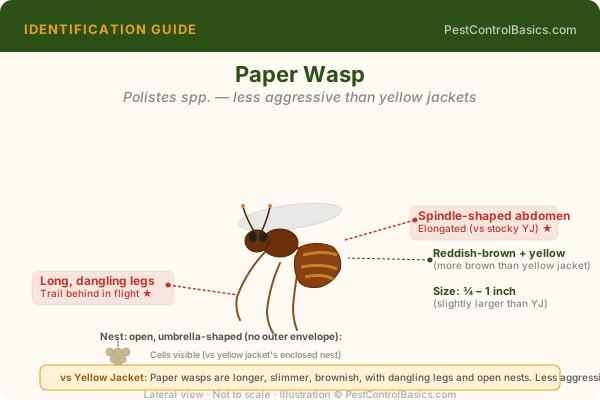
Original illustration by PestControlBasics.com. Use anatomical labels above to confirm your identification.
🔍 Identification
Adults: 15-22mm; yellow and black banding (more vivid than native paper wasps); note the distinctive yellow antennae tips (native Polistes have mostly dark antennae). More slender than yellow jackets. Colony: 20-75 workers at peak. Nests: same open paper comb as native paper wasps but European paper wasps frequently choose enclosed locations — inside hollow fence posts, in gaps in the eaves, inside outdoor furniture, and inside grill covers — creating higher conflict than native species that prefer open sheltered surfaces.
🧬 Biology & Behavior
Introduced to Massachusetts in the 1970s and now established throughout most of the US. More aggressive than native Polistes species; responds to disturbance at greater distance from nest. Actively displaces native paper wasp species from nesting sites through competition and direct aggression. Their preference for enclosed nesting spaces creates more conflict with humans than native species that nest on open exposed surfaces.
⚠️ Damage & Health Risk
More frequent stinging incidents than native paper wasps due to enclosed nest sites and greater aggression; displacement of native Polistes species.
🔧 DIY Treatment
Treat nests in conflict locations (enclosed furniture, structural gaps) — wasp freeze spray at night. Leave nests in non-conflict locations as they still hunt caterpillars. Seal hollow fence posts and structural gaps in late fall after colony dies to prevent next year's nest establishment.
👷 When to Call a Pro
For commercial settings with frequent conflict: professional treatment of enclosed nest sites.