πŸ•·οΈ False Black Widow Spider

Steatoda grossa / Steatoda borealis Β· Araneae: Theridiidae

False black widows are the most common 'widow-lookalike' spiders in North American homes β€” and their bites, while rarely serious, cause real symptoms that are worth understanding.

SpiderBite RiskTheridiidaeAraneaeFalse WidowCommon
πŸ•·οΈ
Risk Level
Mild Bite Risk
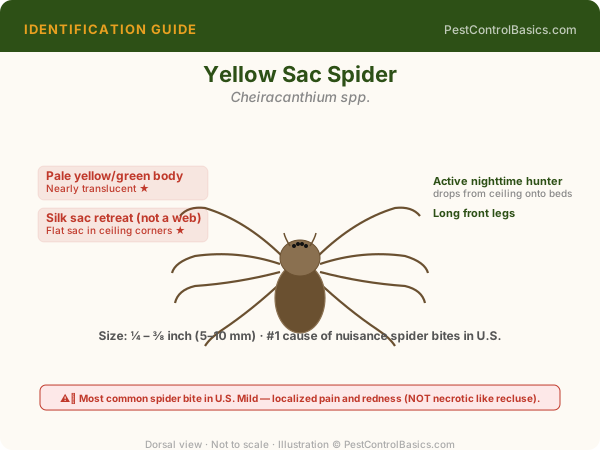
πŸ“ FIELD GUIDE ILLUSTRATION
Yellow Sac Spider (Cheiracanthium spp.) identification illustration with labeled anatomical features β€” PestControlBasics.com

Original illustration by PestControlBasics.com. Use anatomical labels above to confirm your identification.
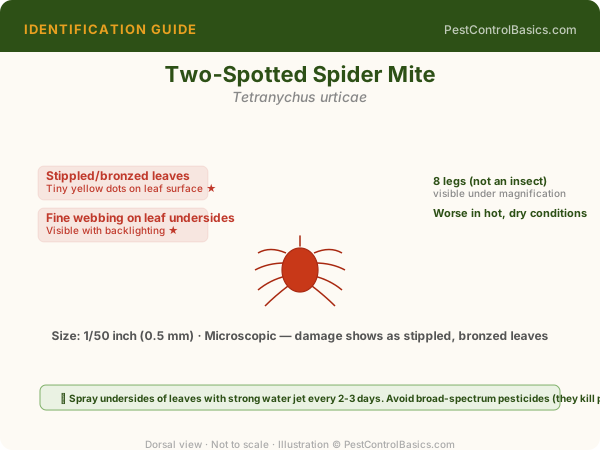
πŸ“ FIELD GUIDE ILLUSTRATION
Spider Mite (Tetranychidae) identification illustration with labeled anatomical features β€” PestControlBasics.com

Original illustration by PestControlBasics.com. Use anatomical labels above to confirm your identification.
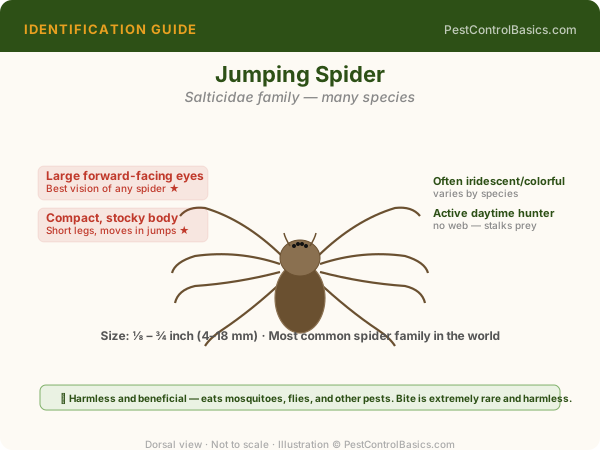
πŸ“ FIELD GUIDE ILLUSTRATION
Jumping Spider (Salticidae) identification illustration with labeled anatomical features β€” PestControlBasics.com

Original illustration by PestControlBasics.com. Use anatomical labels above to confirm your identification.
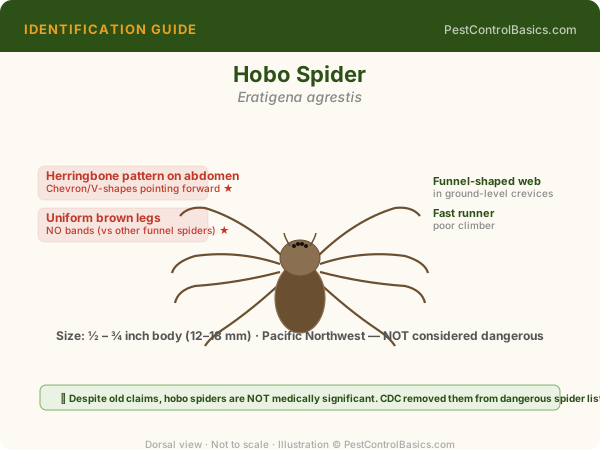
πŸ“ FIELD GUIDE ILLUSTRATION
Hobo Spider (Eudioptilus agrestis) identification illustration with labeled anatomical features β€” PestControlBasics.com

Original illustration by PestControlBasics.com. Use anatomical labels above to confirm your identification.
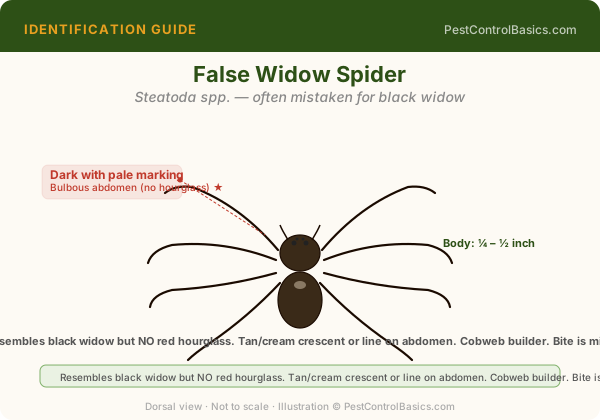
πŸ“ FIELD GUIDE ILLUSTRATION
False Widow (Steatoda spp.) identification illustration with labeled anatomical features β€” PestControlBasics.com

Original illustration by PestControlBasics.com. Use anatomical labels above to confirm your identification.
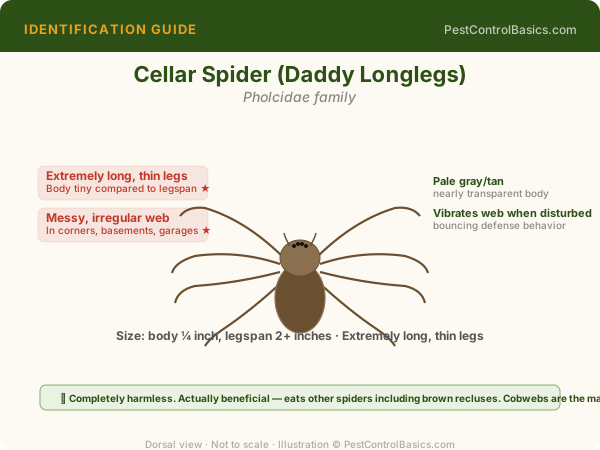
πŸ“ FIELD GUIDE ILLUSTRATION
Cellar Spider (Pholcidae) identification illustration with labeled anatomical features β€” PestControlBasics.com

Original illustration by PestControlBasics.com. Use anatomical labels above to confirm your identification.
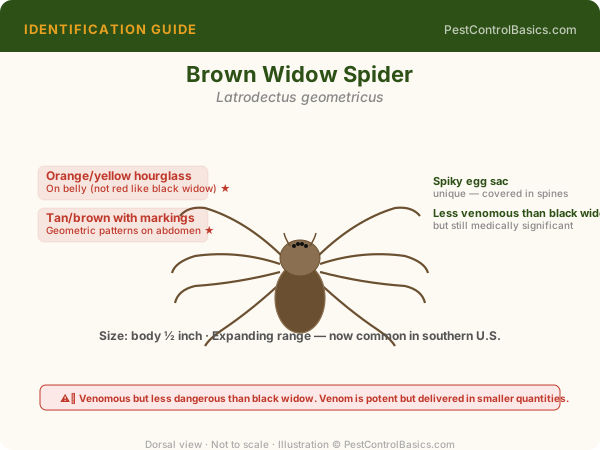
πŸ“ FIELD GUIDE ILLUSTRATION
Brown Widow (Latrodectus geometricus) identification illustration with labeled anatomical features β€” PestControlBasics.com

Original illustration by PestControlBasics.com. Use anatomical labels above to confirm your identification.

πŸ”¬
PestControlBasics Editorial Team
Reviewed by Derek Giordano Β· Updated 2026

πŸ” Identification

6-10mm body; dark brown to purplish-black; globose (round) abdomen like black widows. Key difference: no red hourglass marking on the underside. Some species have white spots or cream markings on the abdomen. Irregular messy cobwebs in sheltered areas β€” exactly like black widows.

Range: widespread across North America, especially common in Pacific Coast states and British Columbia.

🧬 Biology & Behavior

Same web-building behavior and sheltered harborage as black widows β€” under furniture, in garages, in crawl spaces. False widows are actually common associates of black widows, sometimes found in adjacent webs. They're more cold-tolerant than most widow species and thrive indoors year-round.

⚠️ Damage & Health Risk

False widow bites cause 'steatodism' β€” symptoms including pain, muscle cramping, sweating, and occasionally nausea, but significantly milder than true latrodectism. Bite symptoms typically resolve within 1-3 days. Medical attention is warranted for symptomatic bites.

πŸ”§ DIY Treatment

Same control as black widow: reduce clutter, apply residual bifenthrin to harborage areas, place glue boards in corners and under furniture, seal exterior gaps.

πŸ‘· When to Call a Pro

For widespread infestations in structures, professional treatment provides better coverage than DIY in hard-to-reach harborage areas.

❓ FAQ

How do I tell a false black widow from a real one?
Flip the spider carefully (or photograph the underside) to check for the red hourglass marking. Black widows have a distinct red or orange hourglass on the underside of the abdomen. False black widows have no red hourglass β€” they may have white or cream markings but not the distinctive red hourglass shape.
Is a false black widow bite dangerous?
False widow bites can cause localized pain, swelling, and occasionally systemic symptoms (cramping, sweating, nausea) β€” more than a bee sting but significantly less severe than a true black widow bite. Seek medical care if systemic symptoms develop.

πŸ—ΊοΈ Geographic Range & Distribution

FactorDetails
U.S. RangeAll 50 states
Regional DetailBlack widow: nationwide. Brown recluse: South-Central states (not commonly found outside established range despite common misidentification). Wolf spider: nationwide.

πŸ“… Treatment Timing Guide

Treating at the right time dramatically improves results. Pest control timed to the life cycle uses less product and achieves better long-term control.

PeriodAction
SpringInspection and perimeter treatment before pest season starts.
SummerActive monitoring and targeted treatments as needed.
FallPreventive treatment before overwintering pests seek entry.

πŸ’° Professional Treatment Costs

Service TypeDIY CostProfessional Cost
Initial inspectionFree (self-inspect)$75–$150 (often credited to treatment)
One-time treatment$30–$100 in materials$150–$500
Annual service contractN/A$400–$900/year
Severe infestationOften ineffective alone$500–$2,500+

Prices vary by region, property size, and infestation severity.

❓ Common Questions About πŸ•·οΈ False Black Widow Spider

How do I confirm I actually have this pest (not something similar)?
The most reliable confirmation is a physical specimen β€” capture one and compare to reference images on this page. For cryptic pests (bed bugs, termites), look for secondary signs: frass, shed skins, mud tubes, or bites with a specific pattern. When uncertain, a professional inspection is faster than months of misidentification.
Can I treat this myself or do I need a professional?
DIY is effective for small, accessible infestations caught early. Professionals are worth the cost when: the infestation is inside wall voids or structural elements, multiple rooms are affected, you have health-risk pests (hantavirus, venomous species), or DIY has already failed twice.
How long until the infestation is completely gone?
Expect 3–8 weeks for most infestations with proper treatment. Insects with dormant life stages (pupae, eggs) extend the timeline because those stages are impervious to most insecticides. Follow-up treatments at 2 and 4 weeks catch each new cohort as they emerge.
What's the most common mistake people make treating this pest?
Treating only the visible pest population while ignoring the harborage site, entry point, or breeding location. Killing adults provides temporary relief but the population rebuilds from hidden egg cases, pupae, or new arrivals through unaddressed entry points.
πŸ“š Sources: CDC Venomous Spiders Β· EPA Safe Pest Control
Published: Jan 1, 2025 Β· Updated: Apr 7, 2026

πŸ—ΊοΈ US Distribution β€” False Black Widow

image/svg+xml
Common Occasional Not Present
States Present
19
Occasional
11
Primary Region
Southern & Western US
πŸ“Š Source: University extension services, USDA, CDC vector data, and published entomological surveys.