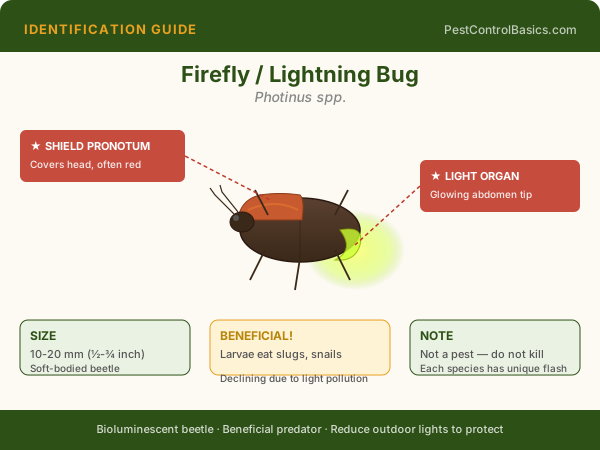
Illustrated identification guide — PestControlBasics.com
🔍 Identification
Soft-bodied beetles: 5-25mm; larvae and adults produce cold bioluminescent light through luciferin-luciferase reaction in abdominal light organ. Each species has a distinct flash pattern used for mate recognition. Eastern firefly (Photinus pyralis): males fly in a distinctive J-shaped pattern while flashing; females flash in response from vegetation. Adults: 6-week season, May-August in most states.
🧬 Biology & Behavior
Larvae: ground-dwelling predators of earthworms, slugs, and snails — entirely beneficial. Adults: most species don't feed (only a few weeks of adult life). Femme fatale fireflies (Photuris species) mimic other species' flash patterns to lure and eat them.
⚠️ Damage & Health Risk
Zero negative impact. Entirely beneficial in larval stage. Their decline is the concern: artificial lighting disrupts flash-based mating (males can't find flashing females in lit environments); habitat loss; pesticide reduction of prey base; ground light pollution.
🔧 DIY Treatment
To support firefly populations: turn off outdoor lighting during May-August 9pm-midnight (peak flash activity). Mow lawn less frequently — fireflies need low ground cover. Avoid pesticide applications in lawn areas. Maintain leaf litter in garden beds (larval habitat). Minimize or eliminate lawn insecticide use.
👷 When to Call a Pro
Not applicable — fireflies are beneficial and should be protected.