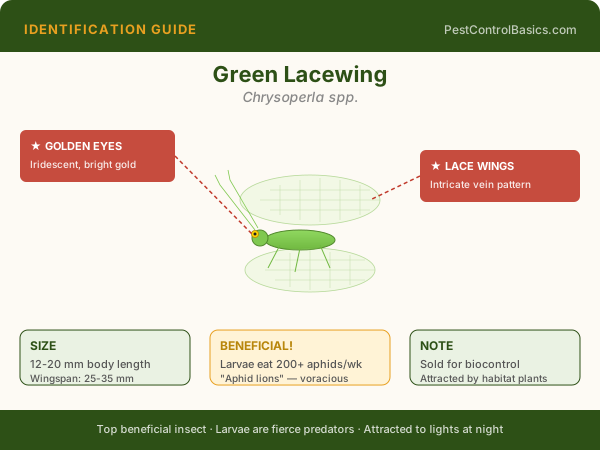
Illustrated identification guide — PestControlBasics.com
🔍 Identification
Adults: 10-15mm; brilliant green with golden eyes; long delicate wings with lace venation; poor fliers; attracted to lights at night. Eggs: laid on silken stalks on plant surfaces — distinctive and unusual. Larvae (aphid lions): 6-8mm; mottled brown; large curved mandibles; actively hunt prey on plant surfaces.
🧬 Biology & Behavior
Lacewing larvae consume: aphids (100-200 per week), mite eggs, whitefly nymphs, scale crawlers, thrips, small caterpillar eggs. Each larva passes through 3 instars before pupating. The silken egg stalk protects eggs from being eaten by other predators — a sophisticated adaptation. Adults feed on pollen, nectar, and honeydew — planting flowering plants near aphid-prone areas supports adult populations.
⚠️ Damage & Health Risk
Zero negative impact. Highly beneficial biological control agents for soft-bodied pest insects and their eggs.
🔧 DIY Treatment
Protect natural populations: avoid broad-spectrum sprays that kill larvae. Plant flowering herbs (dill, fennel, cilantro, yarrow) near pest-prone plants to support adult populations. Commercial lacewing eggs available for release in greenhouses and gardens.
👷 When to Call a Pro
Commercial release in greenhouses: available as eggs from biological control suppliers; most effective in enclosed environments.