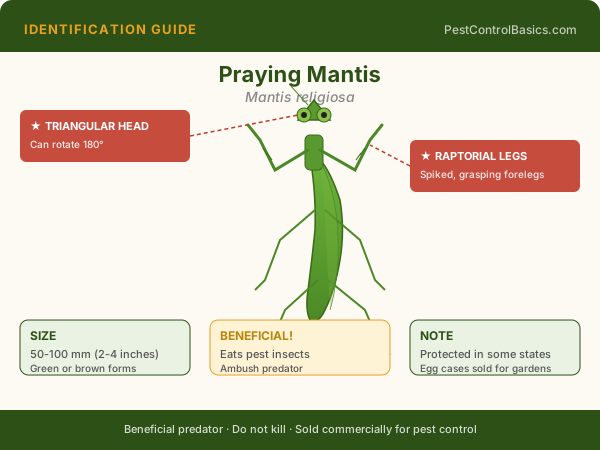
Illustrated identification guide — PestControlBasics.com
🔍 Identification
Adults: 60-100mm; green or brown; triangular head; raptorial forelegs for grasping prey; extraordinarily mobile neck (can rotate 180°). Found on garden plants and shrubs from July through fall. Egg cases (ootheca): foam-like masses on plant stems, about 40mm — overwintering stage. Sold commercially as egg cases for release.
🧬 Biology & Behavior
Praying mantises are generalist predators eating whatever they can catch: aphids, caterpillars, grasshoppers, beetles, flies — and also: bees, wasps, lady beetles, hover flies, and other beneficial insects. They're ambush hunters waiting for prey at flowers and on plants — which means they intercept pollinators as readily as pests. Scientific studies of mantis releases for pest control show inconsistent and generally disappointing results. They're wonderful to observe but aren't reliable pest management tools.
⚠️ Damage & Health Risk
Very minor: occasionally preys on honey bees at hive entrances in high mantis populations; this is ecologically minor but worth noting.
🔧 DIY Treatment
No management needed — mantises are legally protected in some states despite being common. If commercially released: expect natural dispersal and some predation of beneficial insects. Observe and enjoy them as natural history rather than pest control tools.
👷 When to Call a Pro
Never warranted.