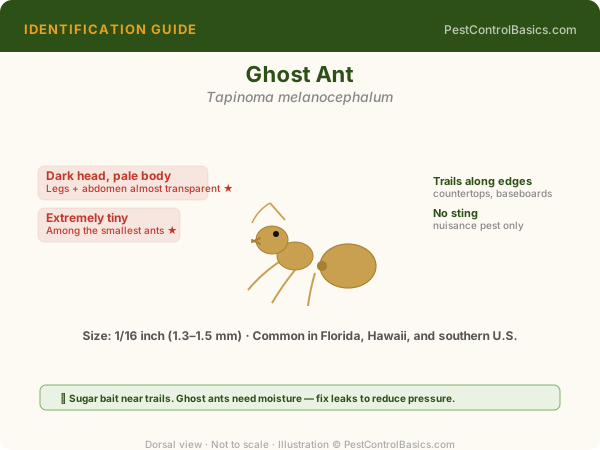
Original illustration by PestControlBasics.com. Use anatomical labels above to confirm your identification.
🔍 Identification
1.5mm — extremely tiny; dark brown head and thorax; pale/translucent abdomen and legs — the ghost-like appearance is diagnostic. Multiple queens per colony (polygyne). Found predominantly in Florida, Hawaii, Texas, and coastal tropical areas. When crushed, smells of coconut (like odorous house ant).
🧬 Biology & Behavior
Polygyne, polydomous colonies — multiple queens, multiple nesting sites connected by trails. Nesting occurs in soil, potted plants, wall voids, and leaf litter. The polygyne structure means perimeter spray kills foraging workers but queens and satellite colonies survive. Bait is the only effective approach. New colonies formed by budding (not swarming) — making accidental colony splitting from sprays counterproductive.
⚠️ Damage & Health Risk
Kitchen and bathroom invasion; contamination of food; difficulty eliminating due to colony structure and tiny size; nesting in potted plants brought indoors.
🔧 DIY Treatment
Use sweet liquid bait (Terro, Advance Liquid) along active trails. For Tapinoma: Optigard Ant Gel or Maxforce Quantum have shown strong performance. Do NOT spray trails — this scatter the foragers and makes baiting less effective. Inspect and treat potted plants.
👷 When to Call a Pro
Professional treatment for severe infestations — ghost ants can be extremely persistent in tropical environments.