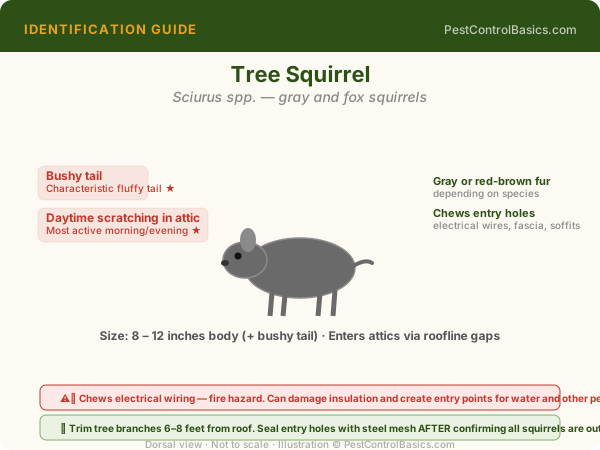
Original illustration by PestControlBasics.com. Use the labeled features above to confirm your identification.
🔍 Identification
California ground squirrel: 250-300mm body; brown/grey mottled fur; bushy (but not as bushy as tree squirrels) tail; visible ears; diurnal (active in daytime). Found throughout California, Nevada, Oregon, and other western states in open habitats, grasslands, and suburban yards with open ground.
🧬 Biology & Behavior
Ground squirrels are colonial — burrow systems are interconnected, with multiple individuals sharing entrances. Burrows can extend 30 feet horizontally and 6 feet deep. They're hosts for fleas that transmit Yersinia pestis (bubonic plague) in western states. They're diurnal — most active in morning and early afternoon.
⚠️ Damage & Health Risk
Burrowing undermines structures, garden beds, and irrigation; damage to crops and gardens; transmission of sylvatic plague via fleas; transmission of ground squirrel typhus; contamination of water sources.
🔧 DIY Treatment
Zinc phosphide bait (most effective for large populations in agricultural settings). Fumigants (aluminum phosphide — licensed professional only). Trapping (live traps for relocation or kill traps). Burrow flooding (temporary). Exclusion with underground hardware cloth barriers.
👷 When to Call a Pro
For large populations or agricultural land, licensed wildlife management professionals provide the most effective and legal control. Plague risk in California, Nevada, and Colorado makes protective measures important when working near ground squirrel colonies.