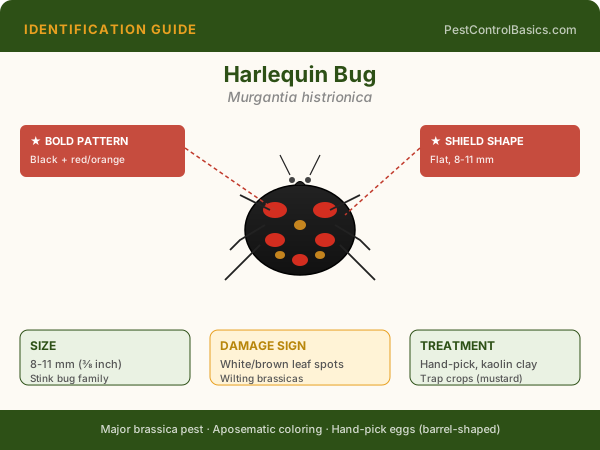
Illustrated identification guide — PestControlBasics.com
🔍 Identification
Adults: 8-11mm; black with brilliant red/orange markings in a distinctive geometric pattern — no other US insect looks quite like them. Shield-shaped (stink bug family). Emit defensive odor when disturbed. Egg masses: barrel-shaped white eggs in two neat rows of 6, laid on brassica leaves. Found on brassicas in the South and California.
🧬 Biology & Behavior
Harlequin bugs pierce plant tissue and inject salivary enzymes that cause wilting and death. Unlike many sucking pests, they can kill entire plants rapidly when populations are high. They overwinter as adults in plant debris. Multiple generations per year in warm climates; 1 generation in northern range.
⚠️ Damage & Health Risk
Rapid wilting and death of brassica plants; distinctive light-colored stippling then browning from salivary enzyme injection; egg masses on undersides of leaves signal new generation; can kill plants faster than aphids or cabbageworms.
🔧 DIY Treatment
Egg mass removal (check leaf undersides twice weekly in spring) is most effective and uses no chemicals. Hand-pick adults into soapy water. Apply insecticidal soap or pyrethrin spray directly on nymphs (more susceptible than adults). Remove plant debris after harvest to eliminate overwintering sites.
👷 When to Call a Pro
For commercial operations in the South where harlequin bugs are severe pests, systemic neonicotinoid treatments provide more effective control than contact insecticides.