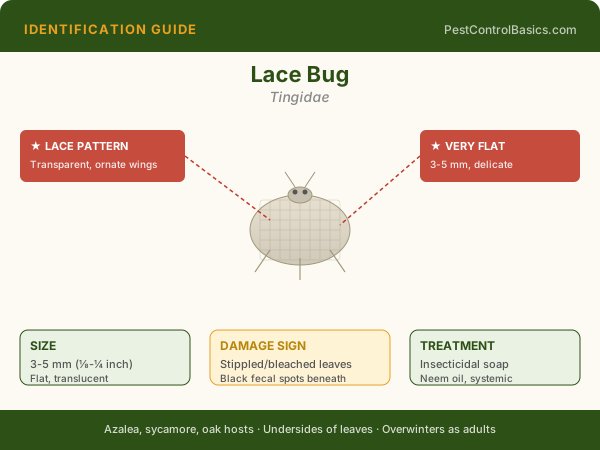
Illustrated identification guide — PestControlBasics.com
🔍 Identification
Adults: 3-5mm; wings with intricate lace-like venation pattern (the source of the common name); wings have distinctive cross-shaped dark pattern on white background — unmistakable under magnification. Nymphs: dark with spiny projections. Damage: pale stippling (bleaching) of upper leaf surface from feeding; brown/black varnish-like fecal spots on leaf undersides (the most distinctive diagnostic sign — spider mites don't leave varnish spots).
🧬 Biology & Behavior
Azalea lace bug (Stephanitis pyrioides) is the most damaging ornamental pest in the US on azaleas and rhododendrons. Hawthorn lace bug attacks hawthorn, apple, and serviceberry. Adults overwinter as eggs in leaf tissue — populations build through spring and peak in late summer. Sun-exposed plants have higher populations than shaded plants (lace bugs prefer warmth and sun).
⚠️ Damage & Health Risk
Severe leaf stippling causing pale, bleached appearance; premature leaf drop in heavy infestations; reduction in flowering the following spring; repeated heavy infestations can weaken and kill azaleas over several years.
🔧 DIY Treatment
Imidacloprid soil drench provides systemic protection for the entire season — highly effective and convenient. Insecticidal soap or pyrethrin spray applied to leaf undersides (where insects are) is effective but requires complete coverage. Azadirachtin (neem) spray as a more persistent foliar option. Plant resistant azalea varieties (Native azaleas and some hybrid groups are much more resistant).
👷 When to Call a Pro
For severely affected landscape plantings: professional systemic imidacloprid application provides reliable season-long protection.