πŸ› Leafhopper

Empoasca / Macrosteles spp. Β· Hemiptera: Cicadellidae

Leafhoppers are one of the most species-rich insect groups in North America. Most cause only cosmetic damage β€” but a few species vector devastating plant diseases that no pesticide can cure once established.

LeafhopperCicadellidaeDisease VectorHopper BurnGardenJumper
πŸ›
Risk Level
Garden Pest / Disease Vector
πŸ”¬
PestControlBasics Editorial Team
Reviewed by Derek Giordano Β· Updated 2026
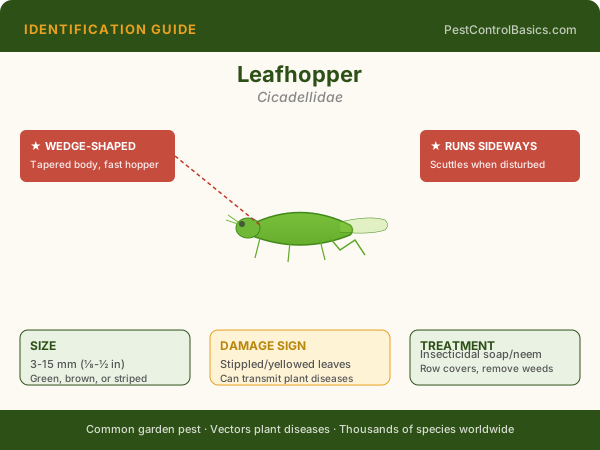
Leafhopper Expanded identification guide illustration

Illustrated identification guide β€” PestControlBasics.com

πŸ” Identification

Adults: 3-15mm (varies by species); wedge-shaped when viewed from side; green, brown, or distinctively patterned depending on species; hop sideways and fly rapidly when disturbed (the diagnostic 'jumping sideways' behavior). Nymphs: similar but wingless; faster runners. Found on: virtually all plants β€” potatoes, beans, alfalfa, apples, grapes, roses. Damage: stippled, bleached, or 'burnt' leaf edges (hopper burn).

🧬 Biology & Behavior

Leafhoppers feed by piercing leaf tissue and extracting cell contents, leaving tiny white dots that coalesce into brown leaf edges (hopper burn). More critically, some species vector: aster yellows phytoplasma (transmitted by aster leafhopper to 300+ plant species), grape leafroll virus, beet curly top virus, and many others. Once a plant is virus-infected, no treatment cures it β€” only vector management prevents spread.

⚠️ Damage & Health Risk

Hopper burn causing leaf yellowing and browning; transmission of phytoplasma and virus diseases that kill plants; reduction in plant yield and quality; in heavy infestations, plant stunting and dieback.

πŸ”§ DIY Treatment

Insecticidal soap or pyrethrin spray for immediate reduction. Row cover prevents access during critical periods. Remove infected plants promptly to reduce virus source. Spinosad spray is effective against nymphs. Reflective mulch disorients approaching adults.

πŸ‘· When to Call a Pro

For commercial grape and hop production: professional monitoring programs with action thresholds and imidacloprid or spirotetramat applications timed to nymph emergence.

❓ FAQ

How do I know if my plant disease is leafhopper-transmitted?
Aster yellows (common phytoplasma): yellowing between leaf veins, distorted growth, 'witch's broom' proliferation of shoots, flower petals turning green. Curly top virus: upward leaf curl, purple discoloration, stunted growth. If you see these symptoms and have leafhopper populations, disease transmission is likely. Remove affected plants promptly.
Does spraying for leafhoppers prevent plant virus transmission?
Partially β€” spraying reduces leafhopper populations but doesn't eliminate them completely. A single infected leafhopper feeding briefly can transmit virus before dying from insecticide. The most effective prevention for virus-transmitted diseases is physical exclusion with row cover before leafhoppers arrive.

πŸ—ΊοΈ Geographic Range & Distribution

FactorDetails
U.S. RangeAll or most U.S. states
Regional DetailDistribution varies β€” consult your local extension service for regional prevalence data.

πŸ“… Treatment Timing Guide

Treating at the right time dramatically improves results. Pest control timed to the life cycle uses less product and achieves better long-term control.

PeriodAction
SpringInspection and perimeter treatment before pest season starts.
SummerActive monitoring and targeted treatments as needed.
FallPreventive treatment before overwintering pests seek entry.

πŸ’° Professional Treatment Costs

Service TypeDIY CostProfessional Cost
Initial inspectionFree (self-inspect)$75–$150 (often credited to treatment)
One-time treatment$30–$100 in materials$150–$500
Annual service contractN/A$400–$900/year
Severe infestationOften ineffective alone$500–$2,500+

Prices vary by region, property size, and infestation severity.

❓ Common Questions About πŸ› Leafhopper

How do I confirm I actually have this pest (not something similar)?
The most reliable confirmation is a physical specimen β€” capture one and compare to reference images on this page. For cryptic pests (bed bugs, termites), look for secondary signs: frass, shed skins, mud tubes, or bites with a specific pattern. When uncertain, a professional inspection is faster than months of misidentification.
Can I treat this myself or do I need a professional?
DIY is effective for small, accessible infestations caught early. Professionals are worth the cost when: the infestation is inside wall voids or structural elements, multiple rooms are affected, you have health-risk pests (hantavirus, venomous species), or DIY has already failed twice.
How long until the infestation is completely gone?
Expect 3–8 weeks for most infestations with proper treatment. Insects with dormant life stages (pupae, eggs) extend the timeline because those stages are impervious to most insecticides. Follow-up treatments at 2 and 4 weeks catch each new cohort as they emerge.
What's the most common mistake people make treating this pest?
Treating only the visible pest population while ignoring the harborage site, entry point, or breeding location. Killing adults provides temporary relief but the population rebuilds from hidden egg cases, pupae, or new arrivals through unaddressed entry points.
πŸ“š Sources: EPA Termite Guide Β· NPMA Termite Info
Published: Jan 1, 2025 Β· Updated: Apr 7, 2026

πŸ—ΊοΈ US Distribution β€” Leafhopper

image/svg+xml
Common Occasional Not Present
States Present
49
Occasional
2
Primary Region
Continental US
πŸ“Š Source: University extension services, USDA, CDC vector data, and published entomological surveys.