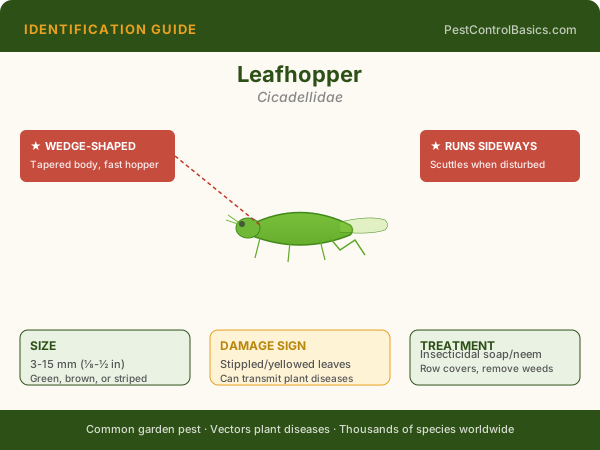
Illustrated identification guide — PestControlBasics.com
🔍 Identification
Adults: 3-15mm (varies by species); wedge-shaped when viewed from side; green, brown, or distinctively patterned depending on species; hop sideways and fly rapidly when disturbed (the diagnostic 'jumping sideways' behavior). Nymphs: similar but wingless; faster runners. Found on: virtually all plants — potatoes, beans, alfalfa, apples, grapes, roses. Damage: stippled, bleached, or 'burnt' leaf edges (hopper burn).
🧬 Biology & Behavior
Leafhoppers feed by piercing leaf tissue and extracting cell contents, leaving tiny white dots that coalesce into brown leaf edges (hopper burn). More critically, some species vector: aster yellows phytoplasma (transmitted by aster leafhopper to 300+ plant species), grape leafroll virus, beet curly top virus, and many others. Once a plant is virus-infected, no treatment cures it — only vector management prevents spread.
⚠️ Damage & Health Risk
Hopper burn causing leaf yellowing and browning; transmission of phytoplasma and virus diseases that kill plants; reduction in plant yield and quality; in heavy infestations, plant stunting and dieback.
🔧 DIY Treatment
Insecticidal soap or pyrethrin spray for immediate reduction. Row cover prevents access during critical periods. Remove infected plants promptly to reduce virus source. Spinosad spray is effective against nymphs. Reflective mulch disorients approaching adults.
👷 When to Call a Pro
For commercial grape and hop production: professional monitoring programs with action thresholds and imidacloprid or spirotetramat applications timed to nymph emergence.