🕷️ Varroa Mite

Varroa destructor · Acari: Varroidae

Varroa mite has devastated managed honey bee populations worldwide since the 1980s. Every beekeeper deals with varroa — understanding the threat helps homeowners who keep bees or support pollinators.

VarroaHoney BeeParasiteColony CollapseBeekeepingAcari
🕷️
Risk Level
Honey Bee Parasite
🔬
PestControlBasics Editorial Team
Reviewed by Derek Giordano · Updated 2026
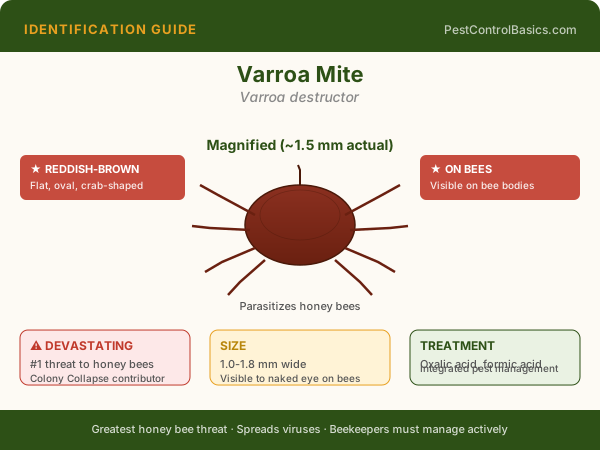
Mite Varroa Honey Bee identification guide illustration

Illustrated identification guide — PestControlBasics.com

🔍 Identification

Adult mite: 1-2mm; oval; reddish-brown; visible to naked eye on adult bees (appears as a small dark speck on the bee's abdomen). Reproduces in capped brood cells. Adult females pierce bee cuticle and feed on bee fat bodies (historically described as hemolymph feeding — updated research shows fat body feeding). Found on adult bees and in brood cells throughout the colony.

🧬 Biology & Behavior

Varroa is the number one cause of colony loss globally. A colony without varroa management typically collapses within 2-3 years. Beyond direct feeding damage, varroa vectors deformed wing virus (DWV) and other bee viruses — the virus transmission is now understood to be as damaging as the direct feeding. Colonies with high varroa loads show: deformed wing bees, reduced winter survival, and sudden colony collapse.

⚠️ Damage & Health Risk

Colony collapse if untreated; transmission of deformed wing virus causing wingless bees; reduced colony honey production; brood death; bee immune system suppression.

🔧 DIY Treatment

Beekeeping management required — not structural pest management. Oxalic acid treatment (dribble method or vapor) is the most effective low-chemical option. Thymol (Apilife Var, Apiguard) — organic acid. Amitraz (Apivar strips) — conventional. Mite washing to monitor levels (sugar shake or alcohol wash) should be done monthly during spring and fall.

👷 When to Call a Pro

Commercial beekeeping: integrated varroa management programs combining monitoring, threshold-based treatment timing, and rotation between treatment types to prevent resistance.

❓ FAQ

Do I need to worry about varroa mites if I'm not a beekeeper?
Only if you keep bees. Varroa mites cannot survive off their honey bee host — they won't transfer to humans, pets, or other insects. If you're interested in supporting honey bee health, you can help by planting diverse flowering plants, avoiding pesticide use during bloom, and potentially supporting your local beekeeping association.
Is varroa why honey bees are declining?
Varroa is the primary identified cause of honey bee colony losses — but multiple stressors interact: varroa + the viruses it vectors + pesticide exposure + habitat loss + nosema (a gut fungus) + poor nutrition from monoculture agriculture. Addressing varroa through regular monitoring and treatment is the single most impactful action beekeepers can take to maintain healthy colonies.

📚 More on This Topic

Related guides and profiles:

🔗 🕷️ Clover Mite🔗 🕷️ Varroa Mite
📚 Sources: EPA Safe Pest Control · NPMA Pest Guide
Published: Jan 1, 2025 · Updated: Apr 7, 2026

🗺️ US Distribution — Varroa Mite

image/svg+xml
Common Occasional Not Present
States Present
32
Occasional
6
Primary Region
Eastern United States
📊 Source: University extension services, USDA, CDC vector data, and published entomological surveys.