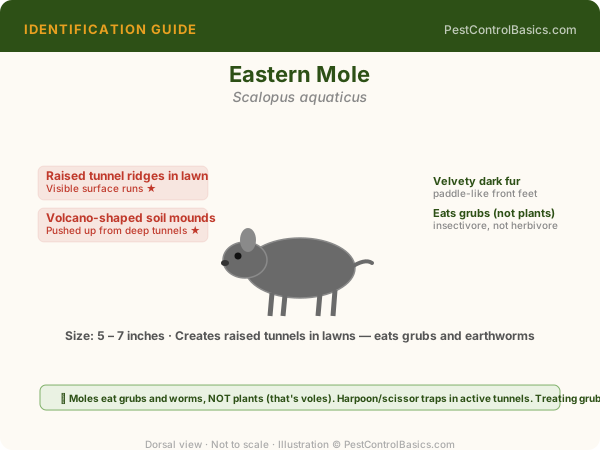
Original illustration by PestControlBasics.com. Use anatomical labels above to confirm your identification.
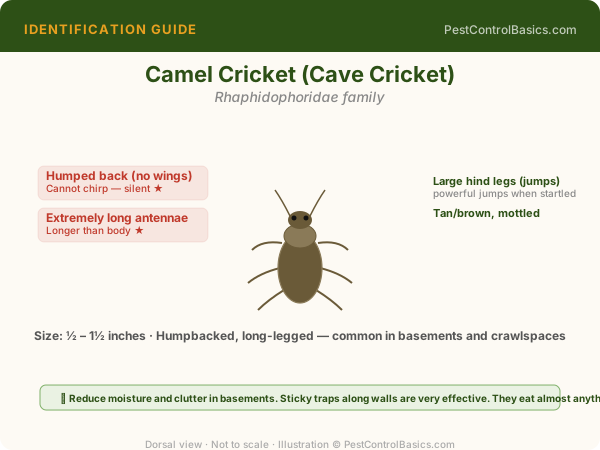
Original illustration by PestControlBasics.com. Use anatomical labels above to confirm your identification.
🔍 Identification
Adults: 30-40mm; brown; velvety; distinctive shovel-like front legs for digging; eyes and wings present; found tunneling just below the soil surface or flying to lights on warm nights (April-June). Confirmation: drench 2 sq ft of turf with soapy water (2 tbsp dish soap in 2 gallons water) — mole crickets surface within 2-3 minutes. Tunnels visible as raised ridges in turf.
🧬 Biology & Behavior
Two invasive species dominate in the US Southeast: tawny mole cricket and southern mole cricket. They tunnel through the upper 2-4 inches of soil, severing grass roots and creating air pockets that dry roots. Adults fly April-June to mate and disperse. Peak egg-laying occurs May-June; nymphs are most vulnerable to insecticide June-August.
⚠️ Damage & Health Risk
Irregular dying patches in lawn; spongy, raised tunnels visible in soil surface; complete root destruction leaving turf that can be lifted off the soil; bird digging to reach mole crickets compounds damage.
🔧 DIY Treatment
Treat June-August when nymphs are small — the most critical timing window. Apply bifenthrin, permethrin, or imidacloprid granules to moist turf (water in immediately). Irrigate before treatment to bring nymphs near the surface. Beneficial nematodes (Steinernema scapterisci) specifically parasitize mole crickets and provide long-term biological control.
👷 When to Call a Pro
For large lawn areas in high-pressure states (Florida, Georgia, South Carolina), professional application with proper timing is more reliable than homeowner treatment.