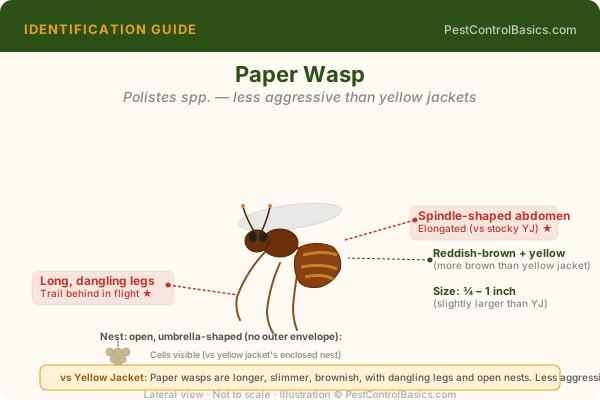
Original illustration by PestControlBasics.com. Use anatomical labels above to confirm your identification.
🔍 Identification
Adults: 15-25mm; slender; narrow waist; long dangling legs in flight (distinctive); brown, yellow, or reddish depending on species. Nest: open paper comb with hexagonal cells; umbrella or fan-shaped; attached by a single stalk to eaves, window frames, or vegetation; no outer covering (unlike yellow jacket). Small colony: 20-75 adults at peak.
🧬 Biology & Behavior
Paper wasps hunt caterpillars, flies, and various insects to feed chewed protein to their larvae. A paper wasp nest near the garden genuinely reduces caterpillar pressure. They're much less aggressive than yellow jackets — they defend only when the nest is directly disturbed. Nests are annual — abandoned by late fall when the colony dies. Nests built in low-traffic locations away from human activity should generally be tolerated.
⚠️ Damage & Health Risk
Defensive stings when nest is threatened; sting allergy risk for sensitized individuals; nest placement in high-traffic areas creates ongoing conflict.
🔧 DIY Treatment
Treat ONLY when nests are in conflict locations: doorframes, children's play areas, high-traffic eaves. Leave nests in low-traffic locations (back of garage, garden shed eaves, tree branches away from paths). Wasp freeze spray at night kills small accessible nests quickly.
👷 When to Call a Pro
Rarely warranted for small nests in non-conflict locations.