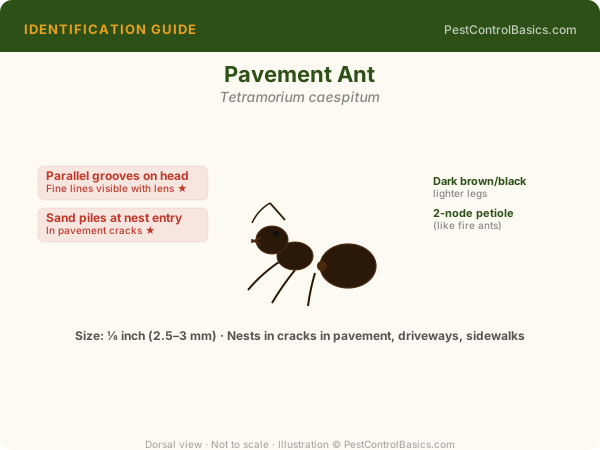
Original illustration by PestControlBasics.com. Use anatomical labels above to confirm your identification.
🔍 Identification
2.5-3mm; dark brown to black; parallel lines (striations) on head and thorax — visible under magnification; 12-segmented antennae with 3-segmented club; two-node waist. Found nesting under sidewalks, driveways, foundation slabs, and large rocks. Entry into structures through expansion joints and cracks in slabs.
🧬 Biology & Behavior
One of the most common structural ants in the northeastern and midwestern US. Spring colony mating flights and territorial battles between colonies produce the spectacular sidewalk 'ant wars' seen in April-May — thousands of workers fighting on pavement surfaces. Multiple queens per colony. They forage for sweets, proteins, and greasy foods inside structures.
⚠️ Damage & Health Risk
Kitchen invasion; contamination of stored food; psychological nuisance; structural entry through foundation cracks (not causing structural damage).
🔧 DIY Treatment
Terro liquid bait (borax) placed on active indoor trails is highly effective. For outdoor population management: bifenthrin spray applied to all pavement cracks and foundation perimeter. Treat in spring during colony expansion — most effective timing. Inject Termidor foam or bifenthrin aerosol into foundation cracks.
👷 When to Call a Pro
Professional treatment of foundation cracks and perimeter with liquid termiticide applied at label rates provides long residual control.